



Panama is a beloved expat haven, home to thousands of expats and retirees from all over the world. It offers something for everyone, with beaches, mountains, cities, and other diverse living environments.
One of the most appealing aspects of living in Panama is the opportunity to reduce your monthly cost of living. Housing expenses in particular are a great bargain. Rent can be a fraction of the cost in the United States and Canada. Here are three of the best areas in Panama where rent can be as low as $400 a month…
Volcán, Chiriquí
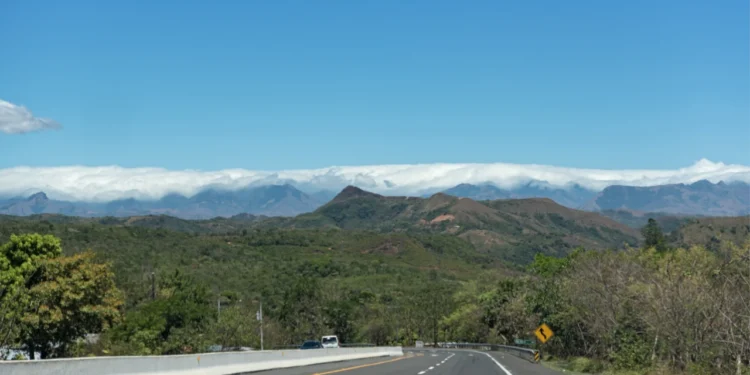
Volcán is a town in the highlands of Chiriquí Province in western Panama. It’s remote, peaceful, and welcoming. It offers the same breathtaking natural beauty as Boquete, Panama’s most popular expat retreat, but Volcán is much quieter and less tourist- and expat-dominated. It’s one of Panama’s cleanest towns and crime is low.
You won’t find much modern entertainment here aside from a couple of bars, restaurants, a club, and a pool hall. The appeal of this town is its natural beauty. You’ll be happy here if you enjoy hiking, fishing, archeology, or farming.
The nearest private hospitals for quality medical care and surgery are one hour away in Chiriquí’s capital city, David. Still, you can get routine checkups in Volcán’s clinics.
Your cost of living in Volcán can be about $1,500 per month, although this depends on your lifestyle. Groceries cost about $300 per month. This area is known as the breadbasket of Panama, providing at least 75% of Panama’s dairy, meat, fruits, and vegetables, so you can take advantage of fresh local produce.
Your electricity bill can range from $30 to $50 per month, and that’s on the high side. Thanks to Volcán’s year-round spring-like weather, you won’t need air conditioning, which helps keep utility bills down.
The cost of rental homes can vary. You can rents traditional Panamanian-style home starting at under $400 per month. More modern American-style homes can start at $700 per month.
Santiago, Veraguas
A few decades ago, Santiago was unknown, a backwater in Panama’s interior. Today, it is a true regional hub and one of the fastest-growing cities in the country. It’s the commercial and political center of the Veraguas Province, a renowned university town, and a transportation hub for Central Panama.
One of the country’s top hospitals, located in Santiago, is known for its first-rate facilities.
Santiago City has a mall with a movie theater, plenty of shopping options, restaurants, and bars. Hiking, cycling, and horseback riding are some outdoor options for nature enthusiasts, and you can drive to the nearby coast to fish, surf, dive, snorkel, boat, or swim.
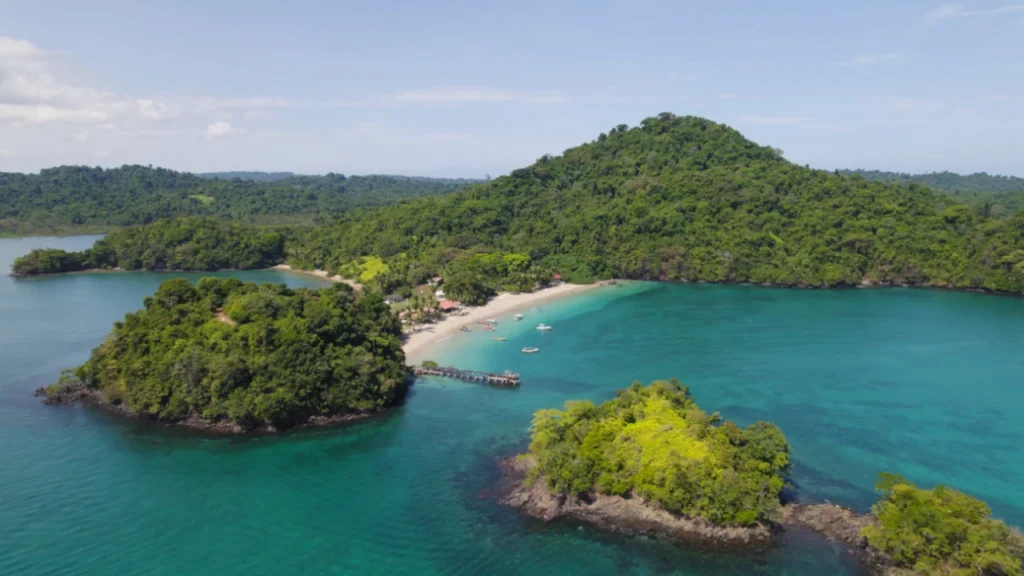
Veraguas Province is home to 40 islands, including the UNESCO Heritage Site Coiba National Park…
The mountainous areas of the province boast four beautiful national parks. La Yeguada Reserva Forestal is popular for camping and has breathtaking but arduous hiking trails that lead to waterfalls and natural turquoise pools.
If you shop and live like a local, your monthly grocery budget could be as little as $300, and you can rent an apartment or house for $500 a month.
Chitré, Herrera
Found in the southwest, Chitré is known as the “Heart of Panama.” Despite rapid development, it has preserved its traditions and remains a stronghold of local folklore. People from Chitré are warm, inviting, and proud of their heritage.
Chitré has public hospitals that provide excellent care and a few private clinics. You can find dentist offices, optometrists, and physical and massage therapists. Located just 15 minutes from Chitré, in the neighboring town of La Villa de los Santos, is the Hospital Regional de Azuero Anita Moreno.
For golf lovers, there’s a local club with a nine-hole course, a tennis court, and a restaurant. It offers golf and tennis lessons for children and adults. Baseball is big in Panama, and you can catch a game at the local stadium. Plus, several beaches are close and easily accessible from the city center. Chitré is one of Panama’s most affordable cities.
Unlike Volcán, Chitré is at sea level and has a tropical climate. It’s hot and humid, so you’ll probably want air conditioning. You could expect to spend an average of $125 on electricity monthly. But if you stick to fans and limit air conditioning use, your bills can be lower.
Fresh produce and seafood are available at the open-air market. By buying local products, you can keep your monthly grocery bill to around $200. If you want to eat out, you can eat well for $10 at Panamanian eateries called fondas. About $15 will buy you a large meal at an international restaurant.
Rentals here start around $500 a month.
Until next time,