Tarragona Spain at a Glance: Lifestyle, Costs, and Quality of Life
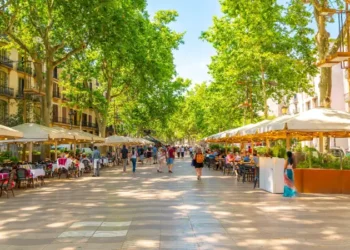
Once the Roman capital of the Iberian Peninsula, Tarragona today is a wonderland of wide boulevards, golden-sand beaches, biscuit-colored-brick buildings, and lush parks.
Located in Spain’s Catalonia region and sitting on the country’s Costa Daurada (Golden Coast) 60 miles southwest of Barcelona, this beachside city offers a more relaxed pace of life than hotspots like Madrid or Valencia.
This is authentic Spanish life with the same big city conveniences, great weather, rich history, beaches, and sunshine… but without the hustle, bustle, high prices, or tourist hoardes.
Let’s dive in…
Getting To Tarragona, Spain
Tarragona’s closest international airport is Barcelona–El Prat Airport (BCN) which is around 60 miles or a one-hour drive away. You can also take the train.
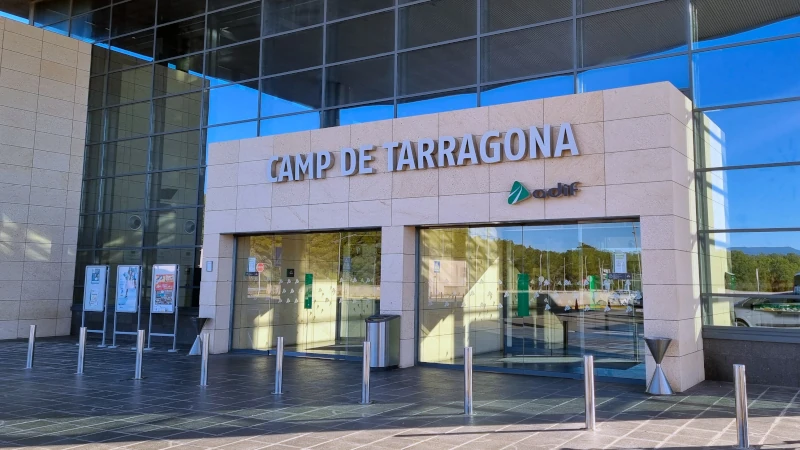
Tarragona has two train stations, a central one in the city and a second one, Camp de Tarragona, about a 20-minute drive away. Camp de Tarragona is where you’ll catch the high-speed services from—you can get to Barcelona in 49 minutes or head in the opposite direction and pull into Valencia two hours later.
Flight time from Atlanta to Barcelona is eight hours and 40 minutes, it’s seven-and-a-half hours from New York, and 11-and-a-half hours from LAX. Direct flights from Toronto take a little under eight hours.
Cost of Living In Tarragona, Spain
One of Tarragona’s big draws is the low cost of living. You’ll pay less for housing, groceries, transport, eating out, and utilities here than in Spain’s big cities. A couple can live well on a monthly budget of around $2,000.
Furnished studio apartments can be rented for under $650 a month. Two-bedroom, furnished apartments can be found for $875 a month. For $1,750 a month, you could rent a centrally-located three-bedroom sea-view penthouse.
You can buy apartments here in need of refurbishment for under $75,000. Renovated properties start around $115,000.
For groceries, you’ll find plenty of well-stocked supermarkets. At Mercadona, the main supermarket chain in Spain, a packet of sliced cheese will cost you around $3, a kilo of rice will cost you $2.50, six eggs are $2.20, a liter of milk is $1.15, a loaf of bread is $1.40, 500 grams of ground coffee is $8.70, a 12-pack of beer is $4.20, and you can buy a bottle of wine for as little as $3. Expect to spend $385 a month on basic items for a couple.
It’s also worth heading to the markets for fresh produce, seafood, and local specialties, which are often cheaper and fresher than what you’ll find in the big chains.
When it comes to eating out, prices are as varied as your dining options here. A simple meal at a local spot will cost around $15. A lunchtime menú del día which is usually three-courses, can be had for around $18. Opt for a fancier restaurant and add wine and dinner will be around $35. You could eat out twice a week, get drinks twice a week, and go to the cinema twice a month for just $400 a month.
Utilities, internet, and two basic cell phone plans will cost around $263 a month.
Tarragona is a compact and very walkable city, which helps keep transport costs low. Most errands, the beaches, and historic areas can be reached on foot. Local buses are inexpensive, and a single ride typically costs just a couple of bucks. You’ll spend around $85 a month on public transport.
Things To Do In Tarragona
Given its Mediterranean coastal location, many recreational opportunities here are in and on the water. The coastline and beaches are ideal for sailing, windsurfing, kitesurfing, and swimming, while the city’s historic marina and the Royal Tarragona Yacht Club provide top-notch facilities for boating enthusiasts.
Platja del Miracle—the city beach—is just a short walk from the downtown area. Platja de la Arrabassada is about a 10-minute drive or 25-minute bus ride. Both beaches have impressive facilities including showers, bars, restaurants, floating wheelchairs, and lifeguards. Platja de la Arrabassada is a Blue Flag beach.
For a mid-sized coastal city Tarragona punches above its weight in terms of cultural offerings. In the historic center, Roman heritage, medieval architecture, and lively plazas greet you at every turn.
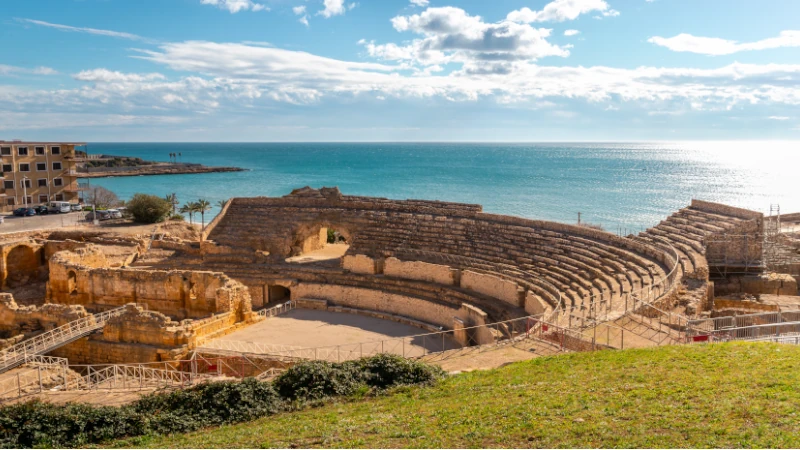
For history buffs, highlights will be the Roman Amphitheater—built in the second century AD and named a UNESCO World Heritage Site in 2000—and Tarragona Cathedral and Diocesan Museum which houses an impressive collection of medieval art and stands as a grand example of the transitional architectural style linking Romanesque and Gothic periods.
Retire In Tarragona
Spain doesn’t have a retiree-specific visa per se, but its Non-Lucrative Visa (NLV) is aimed at retirees and other people with passive incomes who can support themselves financially.
To qualify for the NLV, you need to show that you receive about €2,400 ($2,535) per month in income. This gets you a one-year residence permit, which you can extend for four years.
While the expat community here is smaller than in hotspots likes Barcelona or Valencia, it is growing. Tarragona Expats Facebook group hosts regular social events and informal meetups across the city.
Music lovers will find plenty to enjoy as well—there are frequent classical concerts, seasonal festivals, and live music gigs in bars throughout the city, particularly in the Part Alta and El Serrallo neighborhoods.
The city’s theatres—including the 700-seat Teatre Tarragona—host a varied program of plays, dance performances, and concerts year-round.
You’re spoiled for choice when dining out, too, from hole-in-the-wall tapas joints and family-run bistros to stylish seafood restaurants overlooking the Mediterranean and most everything in between.
Then there’s the festivals… Saints, food, flowers, wine, flamenco… there’s always a reason to party.
Health Care In Tarragona
Spain has both a private and public health care system. The public system, La Sistema Nacional de Salud (SNS), is taxpayer-funded and relied upon by around 90% of the population. Many expats opt to make use of both public and private health care depending on the issue.
Tarragona offers a well‑established mix of public and private health‑care services. The main public hospital is Hospital Universitari Joan XXIII—the largest hospital in the province, offering a full range of services from general medicine and surgery to intensive care, cardiology, diagnostics, and more. Tarragona also has a second public hospital, Hospital Sant Pau i Santa Tecla.
As with most locations, private clinics offer shorter wait times and more personalized care. Opened in 2025, the 96-bed Viamed Tarragona Hospital offers state-of-the-art facilities, 24-hour emergency services, an intensive care unit, multiple operating rooms, outpatient clinics, and advanced diagnostic imaging. Private clinics also tend to have more multilingual staff. A basic consultation costs $45.
Safety In Tarragona
Tarragona is a safe destination with low crime rates. It has a generally low risk of natural disasters but like most all Mediterranean coastal areas it does have environmental and weather-related vulnerabilities particularly in regard to flooding. Heavy rainfall events have triggered flash-flood alerts and flooding in coastal and low-lying zones.
Weather In Tarragona
Tarragona enjoys a Mediterranean climate, with hot, dry summers and mild, wet winters. It’s a good choice if you enjoy mostly warm weather with some seasonal variation. The average high here is 72°F (22°C). In winter temperatures can drop to around 41–43°F (5–6°C).