




Panama’s sweet tooth is diverse. Beyond the familiar tres leches or arroz con leche, we have a whole world of treats that have been a part of Panamanian kitchens, bakeries, and celebrations for generations.
Huevitos De Leche
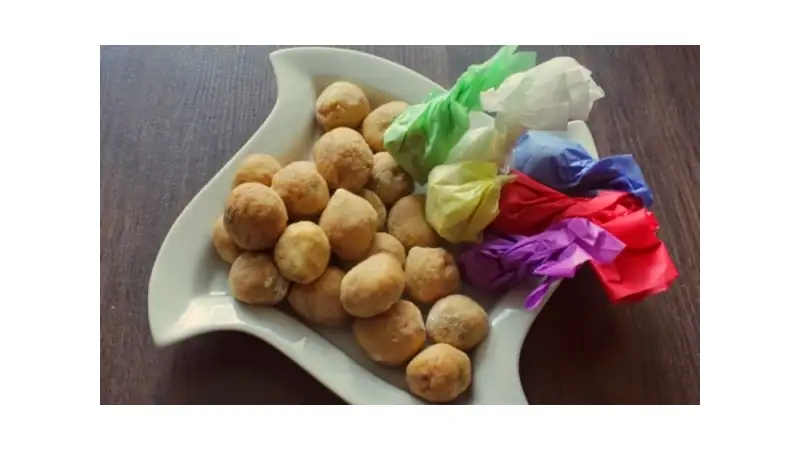
A Panamanian candy classic, huevitos de leche (milk eggs) are not actually eggs or contain eggs. It’s a sweet treat which shape and coloring resemble eggs.
This homemade candy originates from the Chiriquí province. It’s a fusion of indigenous and Spanish culture.
Huevitos de leche are always available in the local bakeries, most common in the interior of the country. I remember asking my mom to get me a bag every time we drove to the interior. Stopping at the bakery and getting fresh baked breads, pastries, and candies was one of the perks of getting out of the city.
Each individual huevito is wrapped in tissue paper of every color, and then a handful of them are packaged into a clear bag. This makes it attractive to children and tourists, but the huevitos are delicious for all.
They are made with milk, sugar, cornstarch, cinnamon, and powdered sugar.
Plantintá
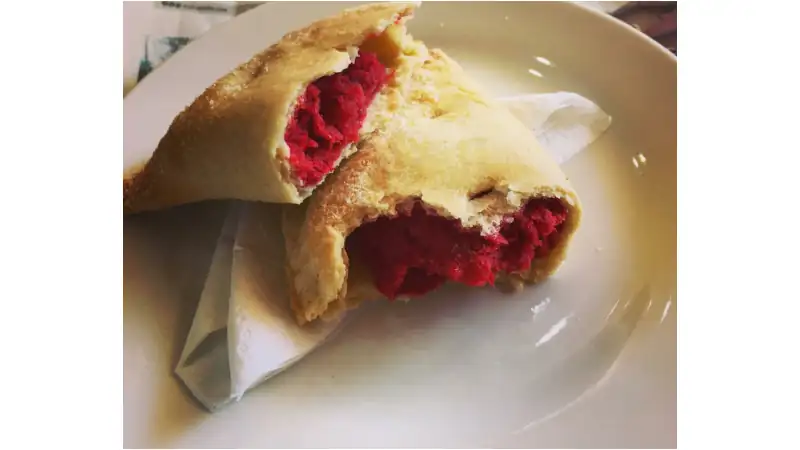
The plantintá or plantain tart is a traditional Panamanian dessert from the Colón and Bocas del Toro provinces. It’s basically a sweet empanada, with a baked flour dough covering the sweet filling primarily made of ripe plantains. This jam is usually artificially dyed a bright pink or red color, which characterizes the plantintás.
We inherited this dish from the afro-antillean culture of the Caribbean and is a true fusion of tastes and cultures. This is also a famous treat in Jamaica, and although similar, the Panamanian recipe is slightly different.
The plantintá jam is made up of ripe plantains, brown sugar, cinnamon, nutmeg, vanilla extract, and red or pink food coloring.
Next time you’re in the Panamanian Caribbean, make sure to look out for your closest plantintá seller…
Red Sugared Rosquitas
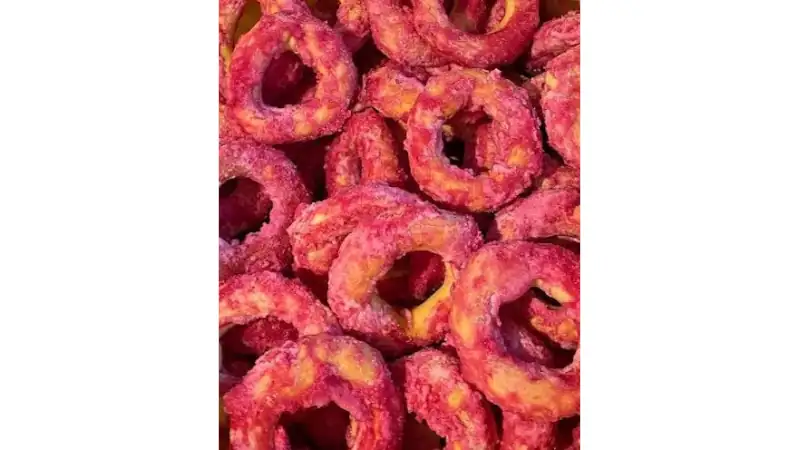
Rosquitas are baked bread like a pretzel and with a ring shape. They are meant to be hard and crispy, unlike donuts or soft pretzels.
Locals eat the salty version just as a snack or with breakfast and the caramel coated version as a dessert. They are very common in any bakery and convenience store in the interior of the country, but you can find them in the city, as well.
You’ll recognize them because they are a bright pink color.
Merengue (Suspiro)
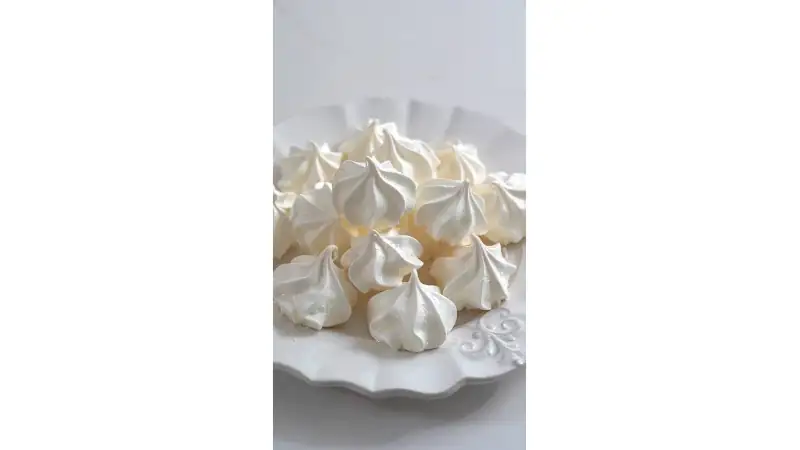
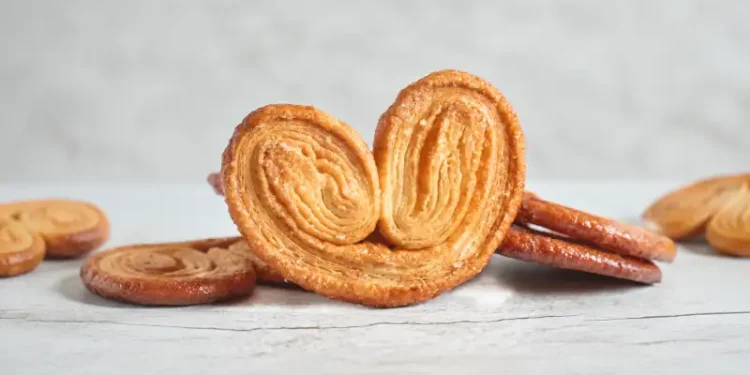
Merengue (meringue), also called suspiro, is a sweet treat primarily made of whipped egg whites that you commonly find at school fairs, local bakeries, and dessert tables. They’re crispy on the outside and a little chewy on the inside. They’re sweet with a hint of vanilla. Some people use coconut or lime zest instead.
This is a treat that’s associated with childhood, the kind of dessert you would ask your parents to get at your local bakery.
It’s a dessert but not overtly sweet. You can pair it with other cookie-like treats and eat while drinking a cup of tea for a nice afternoon snack.
Mamallena
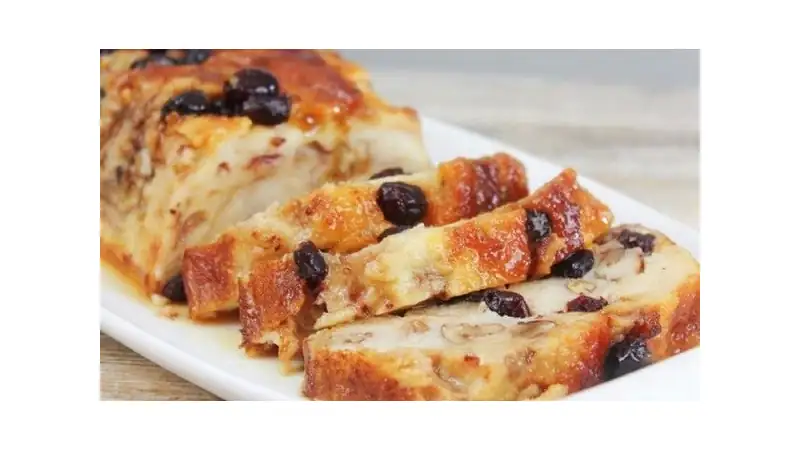
If you spend enough time in Panama, you’ll eventually be offered a slice of mamallena, a sweet, comforting dessert that tastes like home. Soft, rich, and lightly spiced, mamallena is one of those traditional recipes passed down through generations.
For many Panamanians, mamallena is tied to family gatherings, holidays, and Sunday meals. It’s also a classic example of the country’s practical, resourceful cooking traditions… turning simple, leftover ingredients into something special.
Mamallena is essentially Panama’s version of bread pudding, a dish with European roots that spread throughout Latin America during the colonial period. Over time, Panama adapted the dessert using local tastes and available ingredients, creating a uniquely Panamanian version.
Historically, mamallena was made to avoid wasting stale bread, a common practice in traditional kitchens. Old bread would be soaked in milk, mixed with eggs, sugar, and spices, then baked into a soft, custard-like dessert.
Panama’s version evolved to include richer ingredients like condensed milk, evaporated milk, raisins, rum, cinnamon, and vanilla, reflecting the country’s diverse culinary influences: Indigenous, Spanish, African, and Caribbean.
Mamallena has long been considered a traditional Panamanian dessert served at family meals and celebrations, alongside other classics like arroz con leche and cocadas.
Today, while you can still find mamallena in bakeries and restaurants, it remains most closely associated with home kitchens, where recipes vary slightly from family to family.
Bienmesabe Veraguense
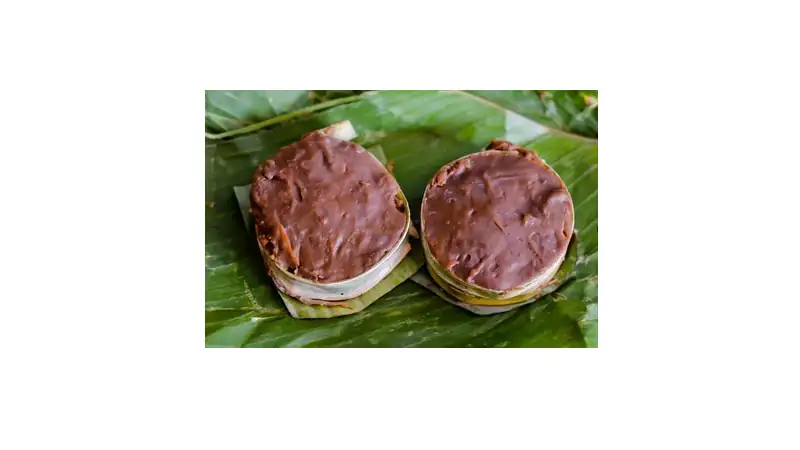
Bienmesabe Veraguense is a cake-like dessert that’s served in banana leaves rolled up into cups.
It’s not to be confused with other Latin American iterations of bienmesabe, which have a different consistency.
Bienmesabe Veraguense is usually made in large quantities because of the time and many ingredients involved in making it.
Bienmesabe is a clever name meaning “me sabe bien,”which translates to “tastes good to me.” An accurate depiction of the dessert.
It’s made with milk, flour, honey, aniseed, and evaporated milk. Bienmesabe is usually made during big family gatherings, and people take turns mixing so that it doesn’t feel like a grueling activity. Everyone pitches in, and the sweet taste of bienmesabe is the reward at the end.
Quequi (Queque)
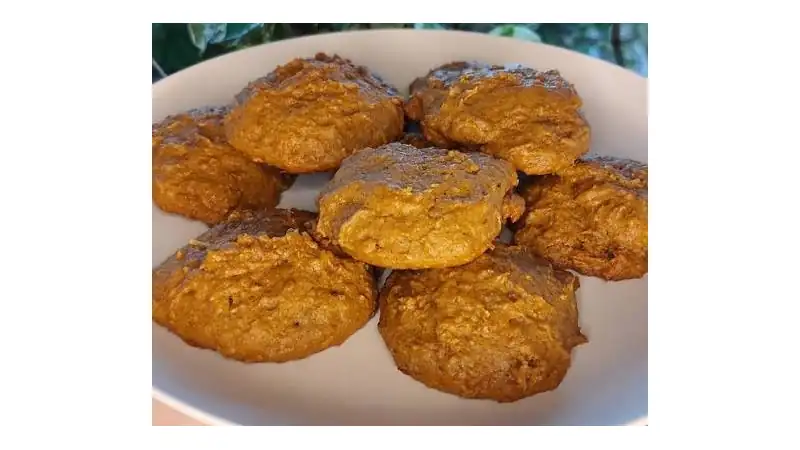
Is it quequi or queque? Maybe it’s keki or keke…
What we do know for sure, is that it comes from the English word “cake.” In Panama, especially during the building of the canal era and the long British and Caribbean commercial presence in the isthmus, many English food words were adapted into Spanish pronunciation.
However, Panamanian quequi (my personal spelling preference), is something different from what Americans would consider cake.
Our version is a kind of cookie that is dense, durable, slightly chewy, that tastes like cane syrup, coconut, cinnamon, and sometimes cloves. The quequi is associated with the interior provinces like Coclé, Herrera, Los Santos, and parts of Panama Oeste. It used to be baked in wood-fired or clay ovens and designed to last for days and even weeks without refrigeration.
The quequi has always been more common in the interior of the country… it’s not something you’ll find in any urban pastry shop. Nowadays, the quequi, among other traditional sweets, is not being made or consumed as much. You might ask a young person if they know what a quequi is and they won’t have a clue. But they used to be a staple in parties, markets, and family gatherings.
Sincerely,