




Panama’s local cuisine can be described as a fusion of Latin American, Afro-Caribbean, and Indigenous traditions. But what Panamanians eat day to day shows a globalized food culture.
Foreign dishes are not made just occasionally… they have become staples in households, restaurants, and gatherings throughout the country. Whether it’s Chinese dim sum breakfasts in the city or Venezuelan arepas sold on street corners, these foods that used to be “foreign” are now a part of Panama’s everyday life.
These are some of the most regarded non-local cuisines and dishes that Panamanians have embraced as their own…
1. Dim Sum Chinese Breakfast
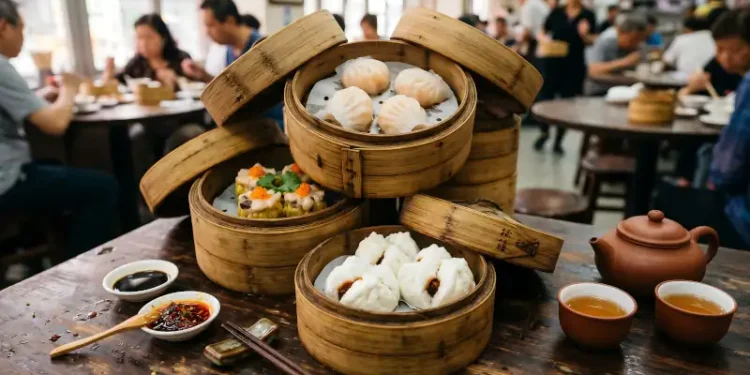
Ask a local what they’re doing on Sunday morning and chances are you’ll hear, “Vamos pa’l desayuno chino.” Chinese breakfast, especially dim sum, is a weekly ritual for thousands of Panamanians. This is a tradition that’s mostly practiced in the city. People from the interior do not often recognize Chinese breakfast as a staple, unless they spend a lot of time in Panama City.
Introduced by the Cantonese immigrant community that began arriving in the 19th century, dim sum (known locally as “desayuno chino”) has grown from a niche offering in Chinatown to a nationwide institution. Panama City alone has dozens of restaurants offering a full dim sum menu including shrimp dumplings, pork buns, siu mai, and rice noodle rolls, often served from rolling carts in bustling dining halls.
Far from being a luxury or novelty, dim sum can be affordable and familiar. This depends on which restaurant you buy from though, as adding many menu items can quickly rack up the bill. For an affordable taste of dim sum, the small convenience stores or chinitos often sell siu mai for cheap. You can also buy frozen dim sum mix varieties at the supermarkets to make it at home.
Families gather around lazy Susans, slurping tea and sharing stories over dumplings in the same way they might over sancocho. For many Panamanians, Chinese food is simply local food.
2. Spaghetti And Italian Pastas
Italian cuisine is deeply woven into Panamanian daily meals, especially pasta. Though Panama never had a large wave of Italian immigration like Argentina or the United States, pasta became a pantry staple thanks to its convenience, affordability, and ability to pair well with local ingredients like tomato, ground beef, and local spices.
“Espagueti con carne molida” (spaghetti with ground beef) is a go-to weekday meal across the country. Versions with canned tuna, tomato sauce, or white sauces are also common in school cafeterias and home kitchens alike. I actually cook espagueti con carne molida at least once a week, because it’s an easy, quick, and convenient meal.
Growing up, this was also a staple item in my parents’ household. Variations included pasta with stewed chicken in tomato sauce, with the occasional change of sauce or protein like pasta with shrimp in a creamy sauce.
In fact, it’s not uncommon to find pasta served alongside arroz con pollo or even plátano maduro at fondas or gatherings… an unapologetic carb overload that’s become culturally normalized.
3. Pizza
What was once considered a foreign Italian or “gringo” food has become deeply embedded in the fabric of Panamanian takeout and party culture. Pizza is everywhere… from Domino’s and Papa John’s to homegrown pizzerias that serve slices with local twists like ropa vieja, chorizo tableño, or even tajadas on top. You can also find several pizzerias run by Italians trying to stick to the traditional preparation methods of this dish.
The affordability of pizza, plus its shareable nature, made it a go-to choice for family nights, birthdays, and hangouts with friends. And with delivery apps, pizza is more accessible than ever.
4. Shawarma And Middle Eastern Cuisine
The Lebanese and Palestinian communities in Panama have contributed significantly to the culinary scene, most notably through shawarma. What began as a dish served in Arab-owned restaurants has become a late-night staple for partygoers and street food lovers across the country.
Panamanian shawarma often features seasoned chicken or beef wrapped in pita with garlic sauce, pickled vegetables, and spicy sauces. Some local vendors even offer a Caribbean twist by adding hot sauce, plantains, or coleslaw. You’ll find shawarma trucks lined up outside clubs in Casco Viejo and university campuses.
Tabbouleh, hummus, and falafel are also increasingly familiar to the average Panamanian, often served as part of casual lunches or mezze-style meals at home.
5. Mexican Cuisine
While Central America has its own native corn-based dishes, the Mexican versions like tacos, burritos, and quesadillas have exploded in popularity, especially in urban areas. Taco bars and casual Mexican eateries now rival burger joints for the attention of younger diners.
What’s notable is how Panamanians have localized these dishes. You’ll often find tacos topped with Caribbean-style slaw, chimichurri, or ají chombo. Mexican hot sauces share shelf space with local favorites like La Picon and D’Elidas in most kitchens.
I prefer to prepare Mexican dishes at home, because although tacos are a cheap and delicious food in Mexico, Mexican restaurants charge a premium in Panama. Surprisingly, it ends up being kind of expensive to go out to eat Mexican food here.
6. Sushi And Asian Fusion Plates
Though still considered a bit more upscale, sushi has found a solid footing in Panama’s dining landscape. What started as a high-end or niche experience has filtered down to more casual chains and supermarket offerings.
Of course, many of the rolls are adapted to local palates. Expect to find rolls filled with cooked shrimp, cream cheese, plantain, or fried fish, often topped with sweet sauces. Sashimi and nigiri remain less common, but “Panama-style sushi” is popular enough to feature at office lunches, birthday dinners, and even catered events.
7. Arepas And Venezuelan/Colombian Influences
Due to significant migration from Venezuela and Colombia, dishes like arepas, empanadas venezolanas, and bandeja paisa are now part of Panama’s daily dining culture. Arepa stands and small home-run operations are now common, particularly in Panama City. The endless debate is which arepa is the best: Venezuelan or Colombian? I think they’re both enjoyable and worth eating.
While some Panamanians still see these dishes as “foreign,” many now enjoy them regularly, especially at breakfast or as street food. Some locals even mix and match, serving arepas with Panamanian-style chorizo or queso blanco.
8. French Bread And European-Style Baked Goods
The humble baguette has quietly become a staple in Panamanian kitchens, found in every corner store and supermarket. Known locally as “pan francés,” it’s used for sandwiches, toast, or just as a side with butter and coffee.
European-style pastries like croissants, éclairs, and quiches have also gained ground thanks to a rise in artisanal bakeries across Panama City and beach towns like Coronado and Boquete. Many of these bakeries are run by European expats or Panamanians trained abroad.
A Melting Pot Of Cultures And Cuisines
The food culture in the country is a mirror of its diverse population, open economy, and constant merging of people and ideas. In some countries, foreign dishes often remain niche or elite, but in Panama, we adopt and adapt global flavors into our everyday lives.
Catch me eating arepas for breakfast, tacos for lunch, snacking on toasted French bread, going to dim sum on a Sunday… as well as enjoying some hojaldres with stewed sausages, rice, beans, and meat, and drinking chicheme. All in the span of the same week.
They’re all part of the Panamanian identity.
Sincerely,