Panamanian Cuisine With A Twist
I love a good coffee shop and brunch spot. El Cangrejo, home to Live And Invest Overseas HQ, has plenty....
#1 Retirement Haven In the Americas
Enter your email to get your FREE guide instantly!
🔒 We respect your privacy. Unsubscribe anytime.
Home » The Best Countries to Live & Invest Overseas: Country Guide Hub » Panama » David, Panama
All you need to know about retiring in David, Panama. cost of living, maps and more...
Patchy rain nearby
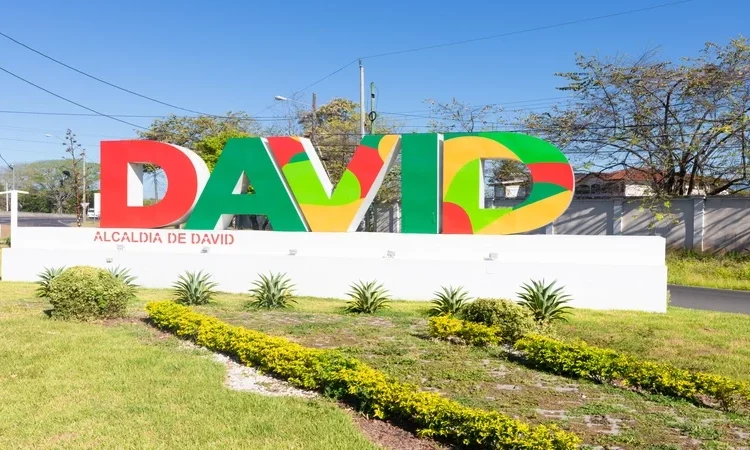
David, Panama, stands out as an exceptional choice for retirement. As the capital of Chiriquí Province, it boasts a robust infrastructure with all the modern conveniences you desire, including high-speed internet, cable television, and outstanding cell phone service.
Additionally, t e reliability of water and electricity in David surpasses that of many near-by regions, ensuring a comfortable and hassle-free living experience.
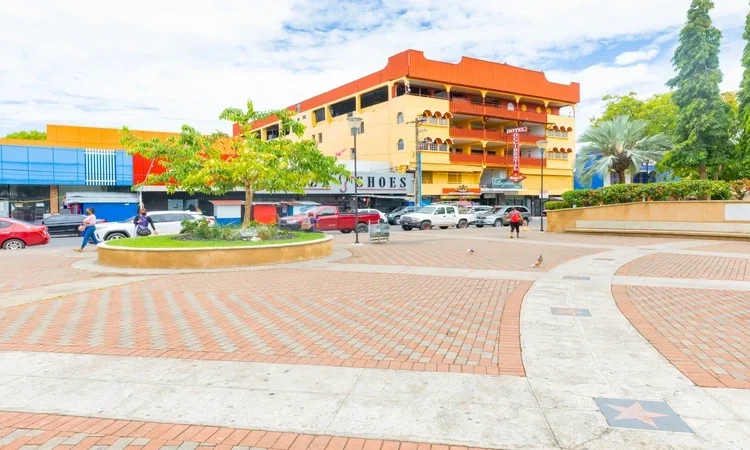
David is the third-largest city in Panama, with over 81,000 residents. In a country with few concentrated population zones, it stands out for its size and busyness.
It’s western Panama’s commercial center, home to shopping malls, restaurants, car dealerships, international banks, and more conveniences.
There aren’t many planned communities in downtown David. Most are at least 30 minutes away by car. And, if you know much about Panama, you know that traffic jams can make a quick commute a never-ending one.

Reviewed By Kathleen Peddicord
Kathleen is the Live and Invest Overseas Founding Publisher. She has more than 30 years of hands-on experience traveling, living, and buying property around the world.
Start Your New Overseas Life Today
A world full of fun, adventure, and profit awaits! Sign up for our free daily e-letter, Overseas Opportunity Letter, and we’ll send you a FREE report on the 12 Best Places To Retire Overseas In 2026
We Value Your Privacy! We will not share your email address with anyone else, period.
David is located about 30 kilometers (19 miles) from the Costa Rican border at the foothills of the Cordillera de Talamanca mountain range and below the water break of the David River.
If you’re traveling from Costa Rica, David is impossible to miss. The outskirts of the city are bisected by the Pan-American Highway, and you’ll know you’re in David when you hit the first stoplight after crossing the border.
The quickest way to make the journey is by car, which takes about 30 minutes. There are also plenty of taxis after you cross the border that will take you directly to David for US$20 to US$25.
To save money, there are buses at the border that will take you directly to the downtown terminal in David. They leave the border every 20 minutes and cost US$2.
You have several options for traveling from Panama City to David. The quickest and most direct route is by airplane. You can fly Copa Airlines from Tocumen International Airport or AirPanama from Marcos A. Gelabert International Airport near the Albrook bus terminal. Either option costs about US$100 and takes roughly 40 minutes.
If you’re flying to David from an international destination, you’ll layover at Tocumen. If you’re already on the ground in Panama City, Albrook’s Gelabert airport is more convenient and affordable.
Bus is another option. Companies like Panachif run regular, direct routes from Panama City to David for about US$20. They also offer an express bus that travels overnight and will cut your travel time from eight hours to six. Make sure to have a jacket or sweater handy—these buses are air-conditioned to the max.
You can also drive from Panama City to David by following the Pan American Highway, passing through Santiago. It’s a long drive and if you don’t have experience driving in Central America you may want to forgo this option.
See our full guide to Panama’s visas and residency options—so you can understand the main pathways, what typically qualifies you, and what to prepare before you apply.
Your money stretches further in Panama, especially in David. You might pay as little as $25 a month for utilities, with no heating costs and optional air conditioning.
Internet, cable TV, and phone services can add up to around $170 a month, depending on your plans. Living in this farming area means you can get fresh fruits and vegetables all year.
A week’s worth of local produce costs about $20. Meat, eggs, and dairy are cheaper than in the U.S. Non-imported canned goods and bakery items are less expensive.
A couple might spend between US$350 and US$500 monthly on groceries if they focus on local foods. Many expats own cars, and insurance and registration costs are low. However, gas prices are similar to those in the U.S., averaging around US$2.70 per gallon.
On the other hand, public transport is also a good option, with reliable buses and taxis. A bus ride from David to Boquete costs just $2, and local buses in David charge 35 cents for a one-way trip.
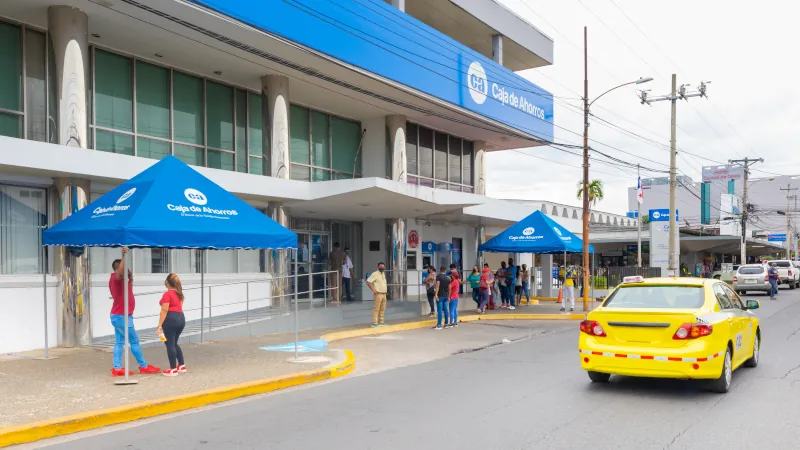
David has a variety of businesses, including banks, sports complexes, stadiums, fast-food outlets, several universities, international schools (both public and private), gyms, big-box stores like Costco, business centers, coworking spaces, and more.
Plus, Panama uses the U.S. dollar.
| Expense | Monthly Cost | Notes |
|---|---|---|
| Mortgage | US$0 | Most homes in the area are affordable and can be paid for at closing. |
| HOA Fees | US$0 | Planned communities aren’t common in the area but there are some start-ups. |
| Property Taxes | – | Highly variable. Property tax rate is only 0.5% for property values from US$120,001 to US$250,000, while properties with values of US$250,001 and above pay a rate of 0.7%. |
| Transportation | US$60 | Monthly gas for a private car. |
| Gas | US$7 | A tank of cooking gas will generally last longer than 1 month. |
| Electricity | US$100 | Using A/C at night. |
| Water | US$7.50 | If you’re over 65 your bill is reduced. |
| Cell Phone | US$5 and up | You can purchase calling cards, there’s no need for a set plan. |
| Internet | US$74 | 1,000 Mbps, 2 Cable boxes. |
| Cable TV | – | Bundled with internet. English channels included. |
| Household Help | US$120 | US$15 a day twice a week. |
| Entertainment | US$472 | Eating out twice a week at a mid-range, local restaurant: US$100. Local drinks twice a week at a nearby watering hole: US$15. Movie theater trip twice a month: US$12 (US$3 per ticket for retirees). |
| Groceries | US$400 | Depends on how many imported goods you buy. |
| Gym Membership | US$50 | |
| Medical Appointment | US$15 | For a private consult at a local clinic. |
| TOTAL | US$1,309 |
| Expense | Monthly Costs | Notes |
|---|---|---|
| Rent | US$1,000 | There’s a wide range of rental properties in the area. |
| Transportation | US$60 | Monthly gas for a private car. |
| Gas | US$6 | A tank of cooking gas will generally last longer than 1 month. |
| Electricity | US$100 | Using A/C at night. |
| Water | US$7.50 | If you’re over 65 your bill is reduced. |
| Cell Phone | US$5 and up | You can purchase calling cards, there’s no need for a set plan. |
| Internet | US$74 | 1,000 Mbps, 2 Cable boxes. |
| Cable TV | – | Bundled with internet. English channels included. |
| Household Help | US$120 | US$15 a day twice a week. |
| Entertainment | US$472 | Eating out twice a week at a mid-range, local restaurant: US$1000. Local drinks twice a week at a nearby watering hole: US$15. Movie theatre trip twice a month: US$12 (US$3 per ticket for retirees). |
| Groceries | US$400 | Depends on how many imported goods you buy. |
| Gym Membership | US$50 | |
| Medical Appointment | US$15 | For a private consult at a local clinic. |
| TOTAL | US$2,309 |
| Expense | Monthly Costs | Notes |
|---|---|---|
| Rent | US$500 | Cheaper options are available but require on-the-ground research and negotiations. |
| Transportation | US$30 | Most of the city is walkable, but you’d want to get a taxi for further trips or large purchases. |
| Gas | US$6 | A tank of cooking gas will generally last longer than 1 month. |
| Electricity | US$20 | Only using fans. A/C will increase bill significantly. |
| Water | US$7.50 | If you’re over 65 your bill is reduced. |
| Cell Phone | US$5 | You can purchase calling cards, there’s no need for a set plan. |
| Internet | US$22 | Basic plan. |
| Cable TV | US$20 | Basic plan. |
| Entertainment | US$60 | Eating out twice a week at a local fonda: US$15 (US$7.50 per meal for two people). |
| Groceries | US$250 | All local-brand items only, shopping at markets and grocery stores. |
| TOTAL | US$920 |
Get a clear breakdown of everyday expenses in Panama—including housing, utilities, groceries, transportation, and healthcare—so you can budget accurately before you make the move.
One of the top reasons to choose David as your home is the variety of day trips you can take within two hours. Chiriquí Province is full of new sights and activities.
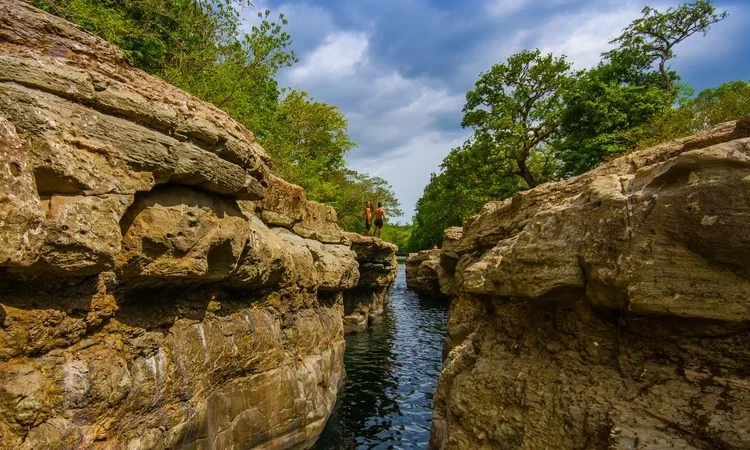
This place is ideal for a fun summer day trip that offers a cool escape close to home. Los Cangilones de Gualaca are located on Highway 10 in Gualaca if you’re coming from Boquete, or on Highway 21 if you’re coming from the Pan-American highway.
The drive from David is just 45 minutes along a scenic country road. The river here becomes narrow as it flows into a canyon, where locals enjoy jumping from the cliffs into the water. For a more relaxed experience, the narrow channel opens up into a wide, shallow pool perfect for swimming and floating on tubes.
Birdwatchers, hikers, fishermen, orchid enthusiasts, and those who appreciate beautiful landscapes will love taking day trips or longer visits to the areas near Volcán and Cerro Punta.
Volcán is just over an hour from David. Here the change in climate and scenery is noticeable. This area features quaint bed and breakfasts, small lodges, fantastic restaurants, and stunning views of Volcan Baru.
Get a practical overview of living in Panama—including lifestyle considerations, local routines, and what newcomers typically wish they knew before moving.
David, Panama, is the health care hub for all of western Panama. So, access to health care in this area is both easy and budget-friendly, with two fully equipped private hospitals and two public health facilities available.
Moreover, the international airport provides daily flights to and from both airports in Panama City, making travel seamless if you retire in Panama.
Explore how the healthcare system works in Panama, what expats typically do for coverage, and what to expect for day-to-day care—so you can plan with confidence before you move.
Writing about safety is a challenge. There are so many variables to be taken into account, and, fundamentally, the interpretation of how safe a place feels is relative and subjective.
Like any other country/city, David has its red-light districts––places where you do not want to live or walk, particularly after dark. If you consider David as a place to live, you’ll want to get to know the city well before choosing a neighborhood.
It is part of the culture in urban and even rural Panama to have a dog, to have bars on your windows, to have gates, and to keep doors closed and locked. The fact of these things is not, in itself, any indication that an area or a neighborhood is unsafe. This is how people in this part of the world live. David is no different.
One warning is that David’s tropical Pacific climate is hotter and drier than Panama City, with average annual temperatures sitting at highs of 90°F, lows around 70°F, and 75% humidity. Rainfall averages at around 8.5 inches per month (although you’ll see little or none in February and more than 16 inches in September), but the sun shines for nearly 200 hours every month.
Most people do need at least some air conditioning, so bank on higher electricity bills.

Reviewed By Kathleen Peddicord
Kathleen is the Live and Invest Overseas Founding Publisher. She has more than 30 years of hands-on experience traveling, living, and buying property around the world.
Start Your New Overseas Life Today
A world full of fun, adventure, and profit awaits! Sign up for our free daily e-letter, Overseas Opportunity Letter, and we’ll send you a FREE report on the 12 Best Places To Retire Overseas In 2026
We Value Your Privacy! We will not share your email address with anyone else, period.
Yes. David, Panama, has an international airport. The Enrique Malek International Airport serves approximately 20,000 passengers from Mexico, the United States, Canada and Central America.
The average flight time from Panama City to David (Chiriqui) takes 1 hour and 6 minutes.
The journey by bus from David to Panama City (Station) lasts 6 hours and 15 minutes. Plus, it is the most affordable option to travel from Panama to David, with prices ranging from US$15 to US$19.
Definitely not. Drugs are completely illegal and not accepted in Panama. Being caught with drugs can lead to serious penalties. Also, there is no legal provision for medical marijuana in the country.
I love a good coffee shop and brunch spot. El Cangrejo, home to Live And Invest Overseas HQ, has plenty....
Chris and Renée Rodgers originally hail from the beachy neighborhoods of Southern California. Once Renée hit retirement age, they decided...
Panama’s sweet tooth is diverse. Beyond the familiar tres leches or arroz con leche, we have a whole world of...
If you’ve been reading about Panama City for a while now, you might know the skyline along the bay, or...
We Value Your Privacy! We will not share your email address with anyone else, period.
As seen in
Top Countries
Budgets
Affordable
Resources
Real Estate
Overseas Property Alert
How To Become Independently Wealthy And Fund The Lifestyle Of Your Dreams
Buying Real Estate For Cashflow
Discover tips and strategies used by global property investing veterans
Explore Our Latest Posts
Learn how to invest and purchase property abroad…
Conferences
2026 Live And Invest In Mexico Online Workshop
2026 Live And Invest In France Conference
2026 Offshore Wealth Summit
Contact Our Events Team:
Toll-Free U.S. and Canada:
1 (888) 627 8834
From Outside North America:
1 (443) 599 1221
Working Hours
Monday – Friday 08:00 am – 17:00 pm EST.
Reach us with your questions by email at: events@liveandinvestoverseas.com
Store
Overseas Havens Reports
Conference Kits
Lahardan Books
Services
Free Report
FREE Report
The 12 Best Places to Retire Overseas in 2026
Simply sign up for our FREE daily Overseas Opportunity Letter, and we’ll immediately email you our editors’ latest research report… absolutely FREE
We Value Your Privacy! We will not share your email address with anyone else, period.
Follow Us:
© 2008 - Live and Invest Overseas - All Rights Reserved.
From the desk of Kathleen Peddicord
Founding Publisher, Live and Invest Overseas