



On one of my first visits to Panama, nearly 30 years ago, a longtime friend who was living in Panama City at the time invited me to take a drive with him.
“I’m going to show you the best this city has to offer,” he promised.
We drove down Avenida Balboa, beyond the central zone of the modern city, turned left, and passed a brightly painted Chinese-style arch very much out of place in this Latino barrio.
But what lay beyond that bit of Asia was even more surprising.
We drove into a treasure trove of architectural history.
In every direction I looked I was treated to rows of structures left behind by the Spanish, the French, and the Americans who’d hung their hats in this part of the world over the preceding few centuries.
Like the arch, everything in this zone was crumbling and peeling, cracked and faded. The street gutters were thick with litter, and small barefooted children ran and played in the narrow brick-paved roadways all around.
Latin music blared from open windows. Women lounged and rocked in open doorways, chatting and tending to their near-naked babies.
Many buildings were more piles of stones and bricks than structures.
But if you looked beyond the garbage and the rubble… beyond the crumbling plaster and the peeling paint… beyond the chaos of the modern-day scene… you glimpsed something special…
Something that exists in only a short list of places our whole world over…
Block upon block of classic colonial-style buildings with shuttered windows, balconies on every level overlooking the streets below, ornate iron work, turned wood, and façades of the kind you see in the pages of coffee-table books but rarely in real life.
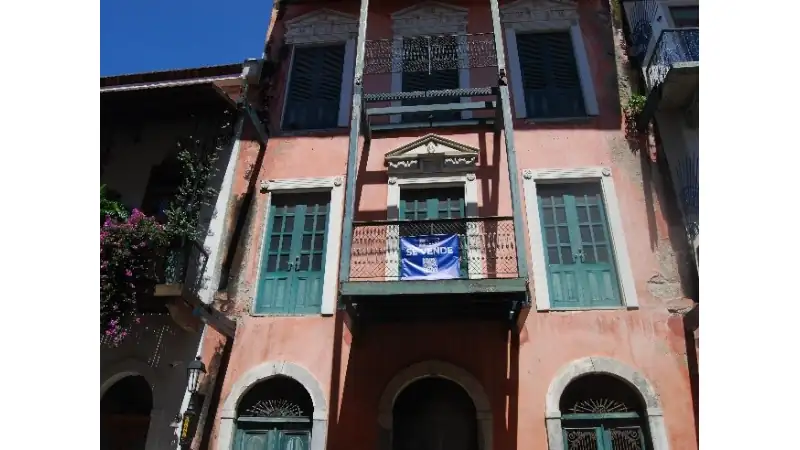
This was Casco Viejo, Panama City’s Old Town.
The better I’ve gotten to know this spot over the past three decades, the more infatuated I’ve become.
Casco is separate from the rest of Panama City, positioned on a small rocky peninsula in the Bay of Panama surrounded by reefs and the sea. It’s a naturally well-protected spot, difficult for enemy ships and attackers to approach.
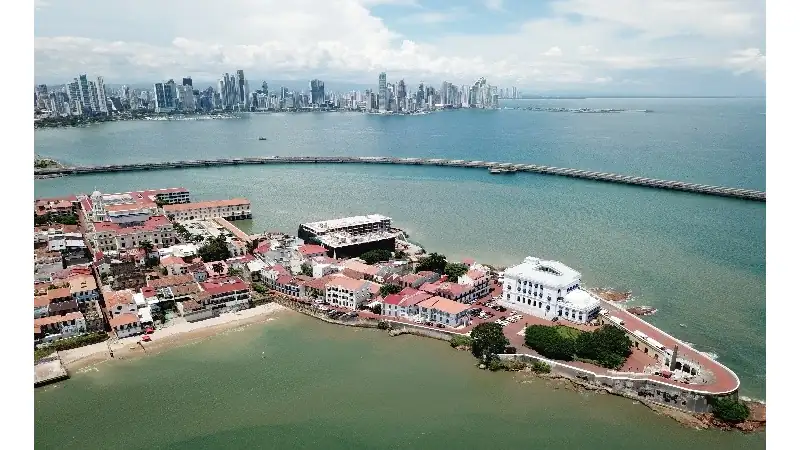
A lot of money passed through this place centuries ago, and the conquistadors managing its flow used some to create an extraordinary legacy.
The centuries-old roadways paved with brick take you past hundreds of glorious colonial structures and, as well, a well-laid-out series of plazas, each with its own church. Casco Viejo boasts eight historic churches in all, including Iglesia San Felipe Neri, the oldest in the city, dating to 1688.
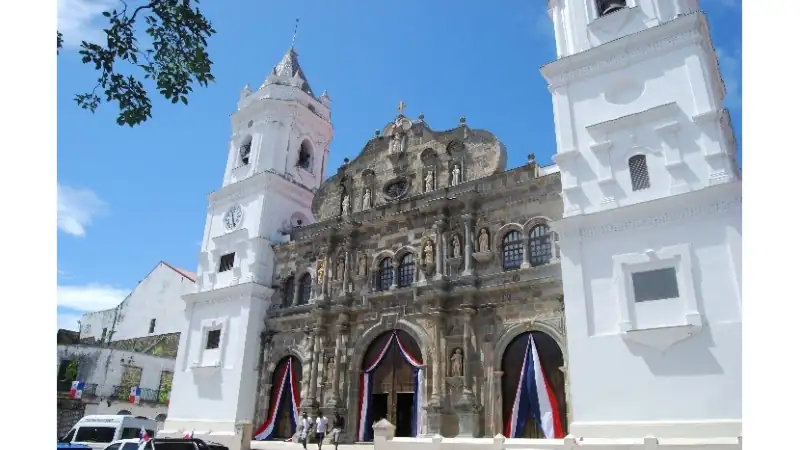
Casco Viejo’s Cathedral Basilica of Santa Maria la Antigua.
Aside from its parks, including the Cinta Costera, this is, in my view, the only part of Panama City suitable for meandering. That’s intentional. This ancient quarter is laid out like a classic European city, on a grid around those welcoming squares and their shady trees.
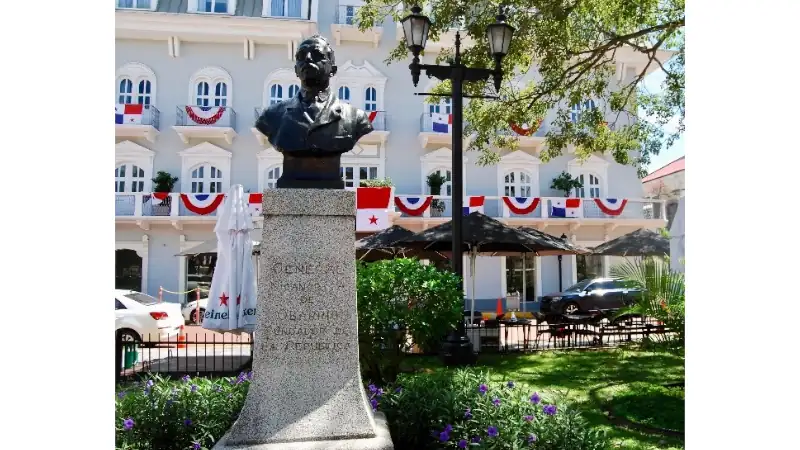
When I saw Casco for the first time, it took considerable imagination to see the potential beneath the grime and the garbage. Most of the one-, two-, and three-hundred-year-old buildings were, at the time, crowded with a dozen or more inhabitants each, some legal, most not.
“Mark my words, Kathleen,” my tour guide on the day told me. “In 10 years, this enclave will be unrecognizable from what you see today. A renaissance is under way.”
Roger was right, on one hand. Yes, indeed, I was seeing Casco at the start of its rebirth. Forward-thinking investors were beginning to take notice.
First, though, before the zone could be revitalized, the squatters had to be removed. They were relocated over time to affordable housing provided by the Panama government.
Then the infrastructure had to be improved… the security issues addressed.
I was among the earliest investors in Casco. With partners, I bought a French-colonial building known as Casa Remon. It’s still there… just off the main plaza and around the corner from the Panama Canal Museum. You’ll know it by its green shutters.
I renovated Casa Remon into an office for me and three apartments for rental, and I was in residence often over the several years to follow. It gave me a front-row seat for Casco’s rebirth.
While Roger’s prediction that Casco Viejo would be reborn was on the money, his timing was optimistic. The renaissance took longer than most anticipated, but the result is everything long imagined.
Most of the buildings have now been rehabbed with great attention to original detail. Some have been converted to private homes, others to apartments, office buildings, art galleries, shops, restaurants, and night spots.
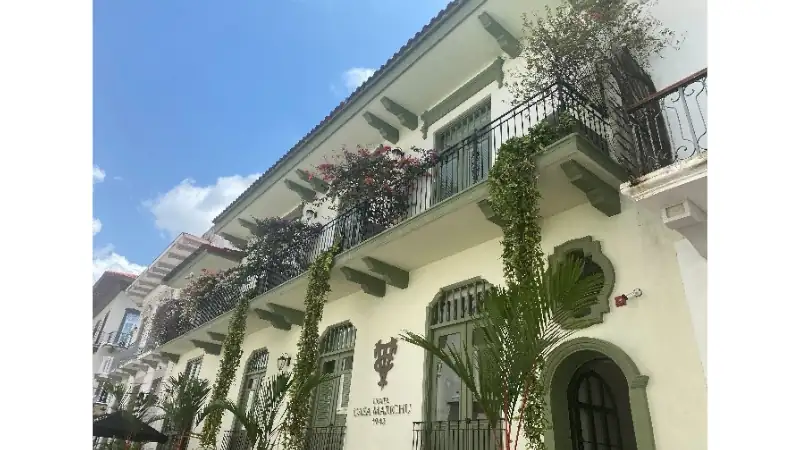
Al-fresco dining and rooftop decks are de rigueur. Casco Viejo today is the hottest ticket not only in the Panamanian capital but across the region.
I’d love to show it to you.
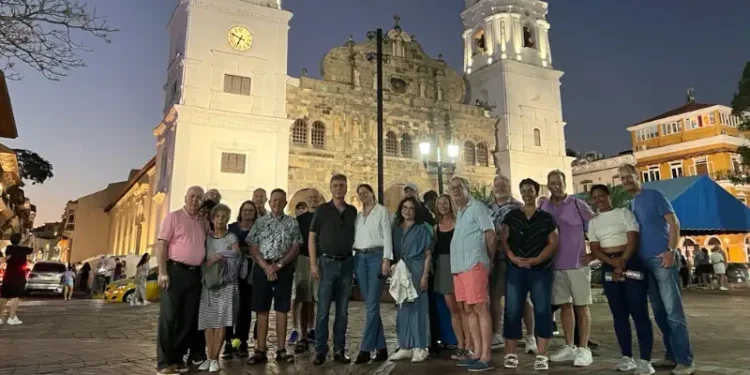
I’ll be leading a small group on a private tour immediately following my Live And Invest In Panama Conference in January.
Here’s everything you need to know to join the fun.
Until next time,