

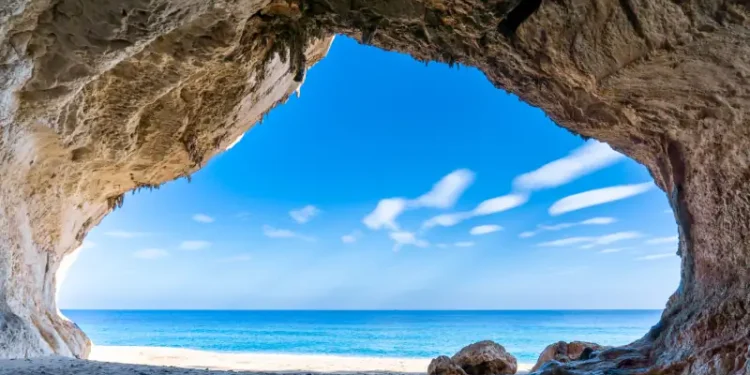
When Vincent Barone went on vacation with his parents to Sardinia, Italy, for the first time, something felt right immediately. The temperature, the language, and the way of life—it all added up.
“I just felt something right away,” says Vincent Barone. “Being Italian-American and understanding the language, it all seemed to fit.”
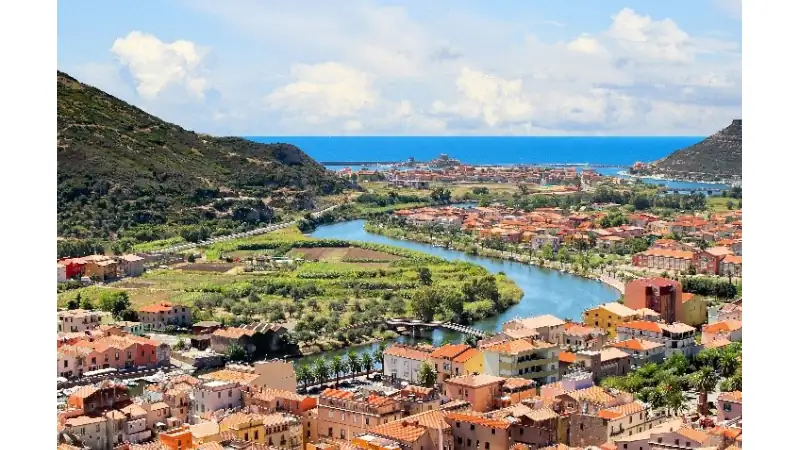
Sardinia is our number one pick in Italy in our 2026 Overseas Retirement Index. Pick up a copy, here.
Vincent was looking to move out of New Jersey, his lifelong home. Working remotely in finance made it possible to consider a move away from the cold, blustery winters and the area’s high cost of living.
Moving to Italy also meant he could apply to be recognized as an Italian citizen, which he was eligible for through his father, an Italian citizen born in the U.S., and his grandfather, who was born in Italy.
Two years after that first trip to Sardinia, Vincent and his parents, Silvio and Carmela, came back for one more visit before making the final decision to leave New Jersey for good.
Silvio and Carmela, both in their sixties, were retiring and wanted to find a place that was quiet, with a slower pace of life. Vincent is their only child, so it made sense to stay close.
Carmela, who is originally from Calabria, a region in the south of Italy, was also drawn to returning to her home country.
“There’s a certain tranquility here that is different than the hustle and bustle of what I’m used to in the U.S., especially being from the New Jersey/New York area,” says Vincent.
Soon after that second trip to the island, the family packed up their entire lives and made the move to Sardinia in July 2022.
When it came to deciding which part of the island to live in, that’s where it got more complicated. The Barones were originally looking in Olbia, a city in the northeastern corner of the island known for its stunning beaches and proximity to the glamorous resorts and nightlife of Costa Smeralda.
“I was looking for places in Olbia, but it was very hard to find a long-term lease for the whole year,” says Vincent.
As a result, they ended up looking at homes and apartments in Alghero, instead. Smaller than Olbia, but still a city in its own right with roughly 40,000 residents, Alghero has a well-preserved historic center, with many homes featuring awe-inspiring, panoramic views of the surrounding sea.
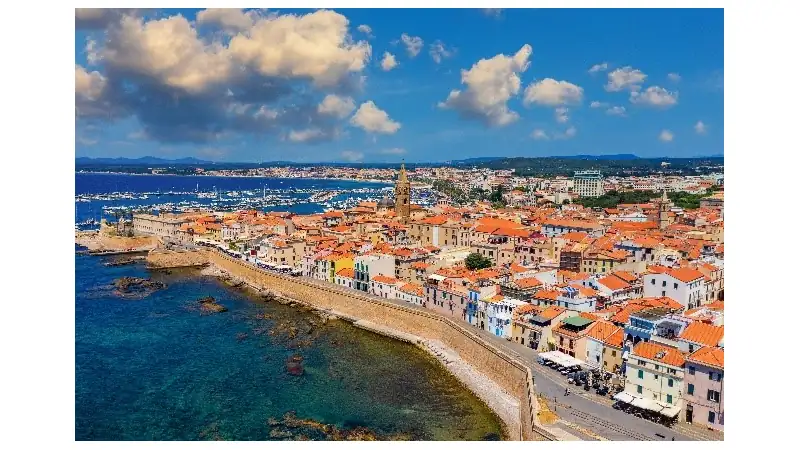
Alghero, Sardinia.
In fact, Vincent hadn’t been to Alghero before deciding to make the move there but he had visited other parts of northern Sardinia and so he followed his instincts.
After renting a three-bedroom, two-bath apartment with an immersive sea view for about a year, Silvio and Carmela purchased a top-floor apartment down the street. They’d originally been searching for a standalone home, but most properties were located too far outside the city to suit their preferences. Now, Vincent and his parents live within five minutes’ walking distance from one another.
Vincent recognizes that deciding to live in Alghero before visiting the city is a bit unique: “I definitely do think that you should go to the place beforehand. Ours was a rare situation, and we had been here a couple times.”
Once a Catalan colony, Alghero is distinct from the rest of Sardinia. Even centuries later, the Catalan influence is still present in the culture and language, seen in the cuisine through unique dishes like the world-famous aragosta alla Catalana, lobster cooked with tomatoes, onions, lemon, and olive oil.
“I’m not a big city person, but a place like Alghero is perfect for me,” says Vincent. “It’s a city, but you still get the beautiful nature, the sea, and the mountains. For me, it was everything all-in-one.”
“One thing I would say is,” Vincent adds, “Alghero is way more walkable, and the city center itself is more condensed than Olbia, where you would probably need a car for even just to go around the city.”
A challenge that came with moving to Sardinia was meeting people right away. When Vincent first arrived with his parents in Alghero, he didn’t know anyone at all.
“It did take a bit of time, and you have to be okay with going out to events in the beginning and trying to see who you get along with here,” he says. “Once you start meeting some people, then you can get introduced to other people. It’s like a chain reaction.”
Now, after almost four years in Sardinia, Vincent has found his place among the community in Alghero and has established a solid group of friends, including local Sardinians and fellow foreigners from around the world.
The biggest adjustment he’s had since leaving the U.S.? “There’s a certain speed to life, and so, things are slower here,” he says. “You need to learn a bit of patience and both the positives and the negatives of what that can mean.”
Fortunately, Vincent already had an intermediate level of Italian before moving to the island. While many English speakers can be found in the bigger cities like Rome and Florence on the mainland of Italy, English is less common in many parts of Sardinia. That can pose a challenge to those new to the language.
He suggests learning at least some Italian before moving to Sardinia because it “opens so many doors, whether it be socially or just day to day. It’s a good investment of your time.”
But his biggest advice to those looking to make the move to Sardinia is to research and plan for your move ahead of time.
“Especially if you want to do your citizenship and or residency,” says Vincent, “the more you could preload and do as much as possible before moving here, I think the better off you’ll be.”
That can look like collecting documents like birth, death, and marriage certificates for the citizenship process, researching different types of visas, or looking at homes and apartments before making the move.
Overall, Vincent is glad with his decision to move to Sardinia. “I’m happy overall, if I wasn’t, I wouldn’t have stayed.”
“It’s a big island, and there’s a lot of land, so there’s a lot of possibility,” he says. “Sardinia has almost everything that you could be looking for in the sense of landscape, whether it be sea or mountains.”
Sincerely,
Jennifer Pellerito
Contributor, Overseas Opportunity Letter