



For expats living in Panama, the FIFA World Cup can seem like an event that suddenly takes over television screens, bars, and conversations. This year, we Panamanians have a particularly good reason to pay attention: Panama is competing in its second-ever World Cup—a remarkable achievement for a nation of just over four million people.
Panama Returns
Panama made its World Cup debut when the national team qualified for the 2018 World Cup in Russia. For many Panamanians, this qualification is one of the most memorable moments in the country’s sporting history. The match that changed everything took place on October 10, 2017, when Panama defeated Costa Rica 2-1, securing its place in the World Cup for the first time ever since its inception in 1930.
Panama might have lost all three matches in Russia (against Belgium, England, and Tunisia), but the team still achieved a milestone when defender Felipe Baloy scored the country’s first World Cup goal in a 6-1 defeat to England. The goal sparked celebrations across the country and is an iconic moment in national sports history. Back then, we were just happy that we got to be a part of it.
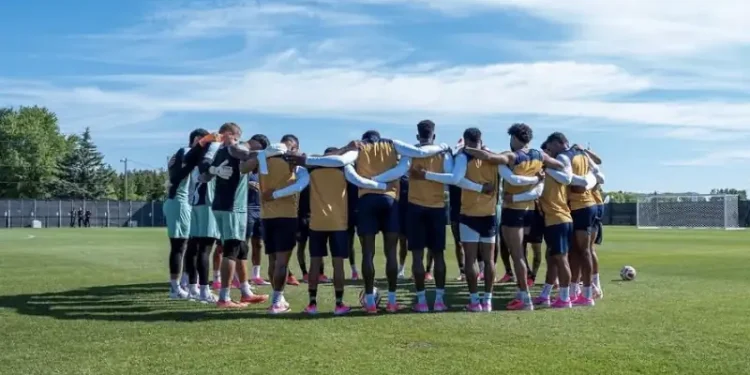
Eight years later, Panama is back to football’s biggest stage… with higher expectations. Under Head Coach and Technical Director Thomas Christiansen, the team has become one of the strongest sides in Central America, placing in the final of the 2023 Gold Cup and the quarterfinals of the 2024 Copa América.
Credits: Instagram, @fepafut
Panama is playing in the 2026 tournament hoping not just to participate, but to earn its first World Cup victory.
Panama’s 2026 World Cup Games
The national team has been drawn into Group L alongside England, Croatia, and Ghana. This group introduces a difficult challenge, especially against England and Croatia, which are both established European powers. But the expanded 48-team format means that not only the two top teams can advance to the knockout stage, but also some third-place finishers. This gives Panama a realistic chance of progressing.
Make sure to watch the Panama games on the following dates:
- June 17: Panama vs. Ghana, 6 p.m. (Panama time)
- June 23: Panama vs. Croatia, 6 p.m. (Panama time)
- June 27: Panama vs. England, 4 p.m. (Panama time)
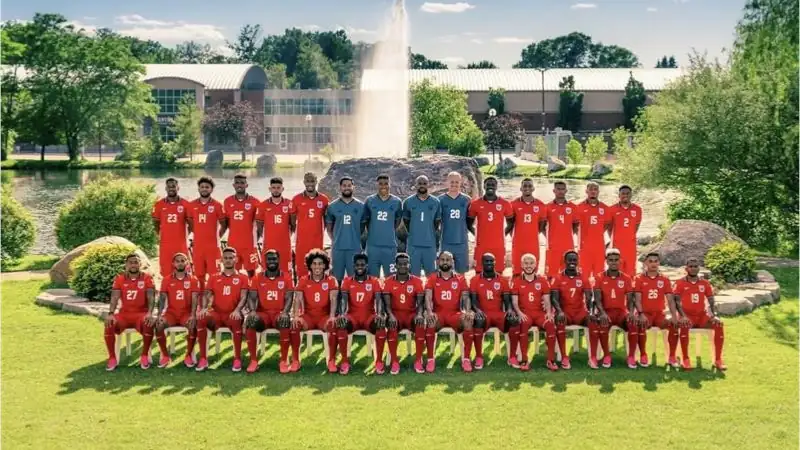
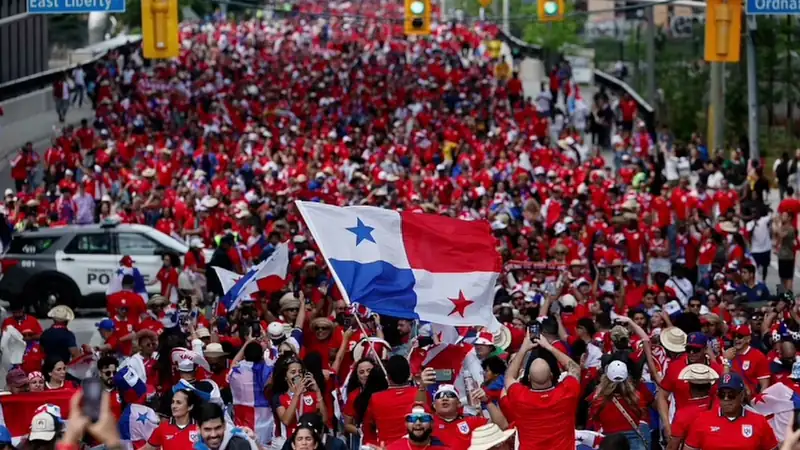
Two of Panama’s three group matches are being played in Toronto, making Canada’s largest city the temporary gathering place for Panamanian supporters. Matches are taking place at BMO Field, a stadium that was expanded specifically for the World Cup.
Credit: Instagram, @revistaellas
Panama’s final group match will take place at the New York/New Jersey Stadium (commonly known as MetLife Stadium). The venue is one of the tournament’s premier locations and will also host the World Cup final.
The Origins Of “La Marea Roja”
One of the most recognizable aspects of Panamanian football culture is “La Marea Roja” (The Red Tide)—the historic nickname for both the national team and its passionate fans.
The person (or group) that first started using the term to refer to our national team has been recently highly debated. Several sports journalists claim that they came up with the original idea.
A group of journalists that had a radio show called “Los Dueños del Balón” (“The Owners of the Football”) on a popular radio station called Radio Ancón, claim that they came up with it first in 1996. At that time, they say, the Panama football team and their fans didn’t have an identity. Fans would fill up the stadiums to watch the games and wore regular clothes, with no specific color.
They claim that they chose red and called it marea roja because Panama is surrounded by both oceans. According to one of the hosts of this show, every time they promoted a game, they used the term and told listeners to wear red to the games. He says he never copyrighted the term because they were just doing it for the love of the game but now regrets it.
A couple years later, in April 2000, a Panamanian newspaper was looking for the ideal headline before a match that the national team would hold against the Honduran team on Honduran soil.
The Diario Crítica published their piece on the upcoming game with the term “Marea Roja” for the first time. The editor of the paper stated that marea roja is usually a term for a natural marine phenomenon that turns the waters of the Central American region a reddish tint because of red algae. The color of Panama’s national football team shirt is red, hence why they came up with the nickname. They designed the cover story with a huge red wave washing over everything, representing how Panama would defeat Honduras in the game (which they did).
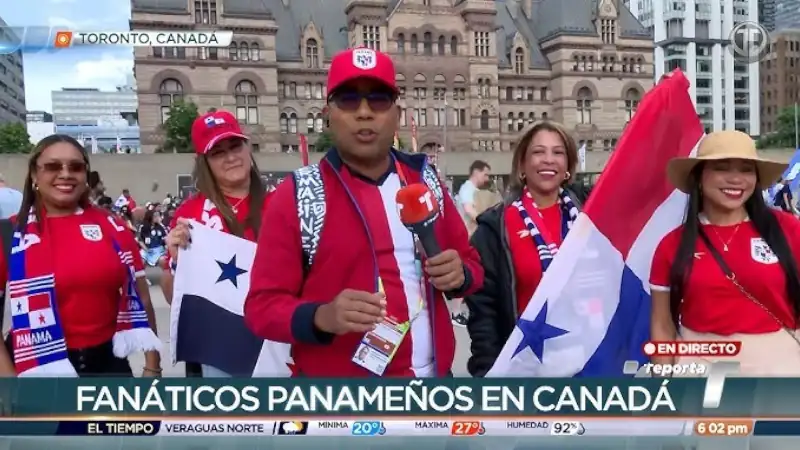
Just three months later, reporter Rubén Pinzón, at the time working on Telemetro Reporta, used the term on national television. His narration was then used in a song that skyrocketed the term’s popularity, Somos La Marea Roja, and cemented it as part of the identity of the team’s fandom.
Regardless of who created it, this nickname symbolizes the visual impact and energy of the thousands of fans dressed in our team’s colors when they fill the stadiums.
Panamanians Abroad
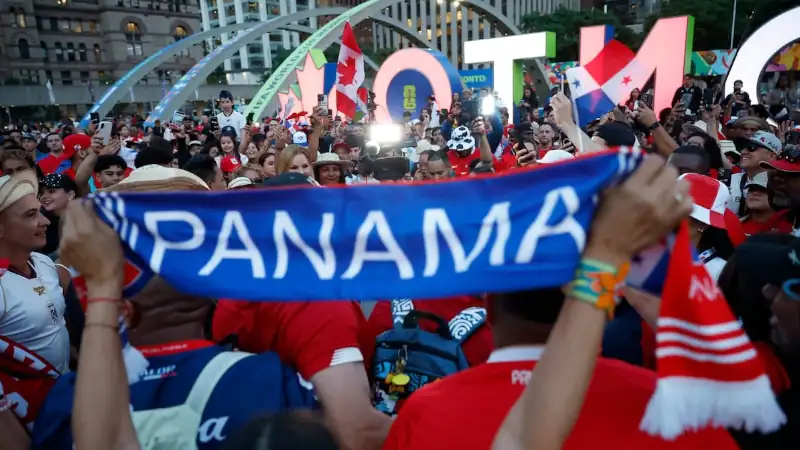
La Marea Roja arrived in Toronto for their first game, and thousands of Panamanians filled the Canadian streets and celebrated. For us, this is more than a sporting event. It’s an opportunity to showcase national pride on a global stage.
Credit: Ellas.pa
During the 2018 World Cup, thousands traveled to Russia despite the distance and cost. The North American location of the 2026 tournament has made travel far easier and more affordable for many supporters.
Immerse Yourself In Panama’s Football Culture
Even if you’re not a football fan, Panama participating in the World Cup offers a look into a significant aspect of modern Panamanian culture.
For the next few weeks, expect restaurants, sports bars, offices, and homes, throughout Panama to be tuned into the action. Get yourself an official team shirt, or just dress in red, and celebrate with us. Catch the Panama games through cable TV in RPC, TVN, Telemetro, TVMax, or through TVN’s Youtube channel.
Whether you’re a lifelong football fan or completely new to the sport, this Mundial offers a unique opportunity to experience one of the country’s most passionate national traditions firsthand.
Sincerely,