Live The Good Life In The Wine Country, With A Low Cost Of Living And Excellent Health Care
Argentina is a destination for those who enjoy the finer things in life. This South American country is world-renowned for its wine, listing as the sixth biggest producer globally.
Argentinian meat is truly exquisite, and a whole culture celebrates this delicacy. Asado, the traditional barbecue, is a cornerstone of Argentinian life. But it’s not just its cuisine that has brought Argentina world attention.
It has also birthed some of the greatest footballers in history and is the homeland of tango, the dance synonymous with passion.
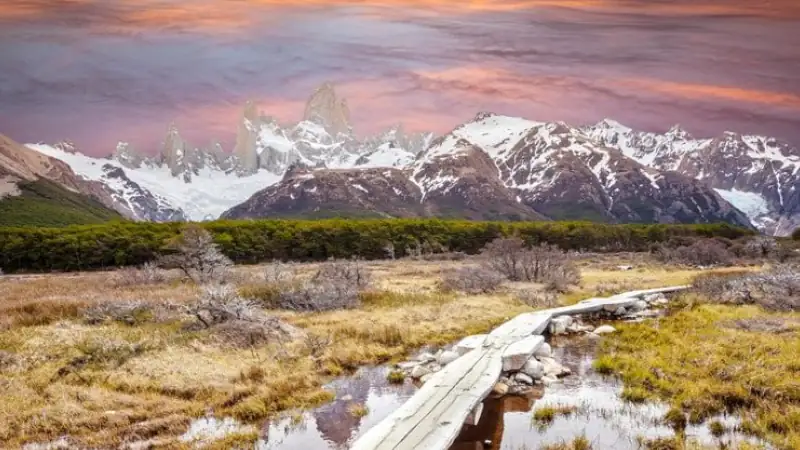
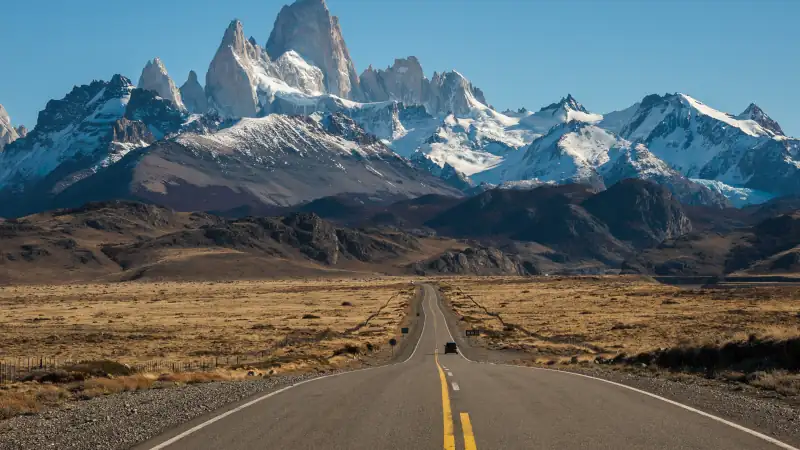
Argentina has a diverse landscape, with the Andes to the west, South Atlantic Ocean to the east, and Bolivia, Paraguay, Brazil, and Uruguay to the north and northeast.
This vast country encompasses a plethora of landscapes, cultures, and climates… it is, after all, the second biggest country in South America.
Argentina has welcomed immigrants and expats as far back as the mid-1800s.
The majority of the population claims Italian or Spanish heritage, and often both. This influence is obvious in the clear Italian inflection in Argentinian Spanish, and the use of distinct Italian gesticulations.
Argentina is socially liberal, as it frequently has been in recent years. With the exception of the dark military dictatorship and the Dirty War in the 70s and 80s, the government tends to be left-leaning.
Inflation is a reality in Argentina, with the peso jumping drastically day to day.
Despite feeling the ripples of the economy’s ups and downs, expats are in a privileged and protected position.
Meanwhile Argentines, frustrated as they might be with the economy, still enjoy life. While the pace of development might be slowed for right now, the country continues to buzz.
Living In Argentina
Due to the country’s expansive and changing landscape, Argentina experiences different climates throughout its regions. In Buenos Aires (the capital) and the Pampas, summers are hot and humid, reaching 90°F.
Fall is mild, and while winter can get chilly and drop into the 40s Fahrenheit, snow is rare. Meanwhile, in the desert region of Cuyo, summer temperatures can reach a scorching 122°F.
In the Andes and the Patagonia region, temperatures are considerably lower, dropping further with altitude.
Keep in mind that seasons are swapped in the Southern Hemisphere. Here, Christmas is celebrated in the balmy days of summer.
In Argentina’s larger cities, an impressive amount of the local population speaks English and is eager to practice with foreigners. Even though you can get by speaking only English, it’s always better to pick up a few basic Spanish phrases, especially if you plan to relocate to a more rural part of the country.
Plus, if you have taken Spanish lessons before and consider yourself proficient, expect to do some learning in Argentina to adjust to its style of Spanish.
English-speaking expats tend to group together, and numerous resources and meeting groups are active across the country.
Argentines are eager to warmly share what their culture and country have to offer with outsiders and foreigners, from an invitation to an asado to a gesture as simple as inclusion in their maté (teadrinking) circles.
Family and friends are top priority in Argentina, and spending time with them is of the utmost importance.
Cost Of Living In Argentina
Foreigners, particularly those from places like Europe and the United States, are often pleasantly surprised by how far their money can take them in Argentina.
Properties are not selling as readily to locals who are unable (or rather unwilling) to pay at this time, so the market is prime for foreign buyers.
Taking money out of the country might be a challenge with currency controls, but bringing it in is welcomed.
The dollar and the euro get stronger by the day, permitting a comfortable lifestyle for foreigners, complete with affordable and delicious steak dinners, entertainment, and spacious living arrangements that would be near impossible to find in any other metropolis at this price.
Health Care In Argentina
The father of coronary artery bypass surgery was an Argentine surgeon named René Gerónimo Favaloro. He spent most of his life elevating the standard of medical services in his home country… a legacy that endures to this day. Argentina is widely respected for the quality of its health care.
With Argentina’s universal health care system, everyone is guaranteed access to public health care, regardless of residency status. Those who can often choose private health insurance providers, as public hospitals are regularly overwhelmed.
Foreigners are often in awe of how many procedures are covered and provided for free in Argentina. These include dental fillings, extensive prenatal care, surgeries, hospital stays, and more.
You will easily find doctors across all disciplines who are bilingual and practice in English—and some are even proficient in third and fourth languages.
Getting To Argentina
Most foreigners arrive through Argentina’s International Ezeiza Airport, where direct flights from all major international airlines land daily. Ezeiza serves the capital, Buenos Aires.
Local public transportation doesn’t provide many options for traveling between Ezeiza and the city.
The most comfortable and easiest way to get from the airport into the city itself, which takes about 40 minutes, is by taxi.
Make sure to use a registered company and secure your ride at the airport.
But, if Buenos Aires is not your final landing place, you can fly from Ezeiza to over 30 other airports across the country.
Otherwise, make use of the extensive, reliable, and relatively cheap bus service, or rent a car to make the final leg of your journey.
Check out our map of Argentina to get a better idea of the layout of the country.
Best Places To Live In Argentina
Buenos Aires
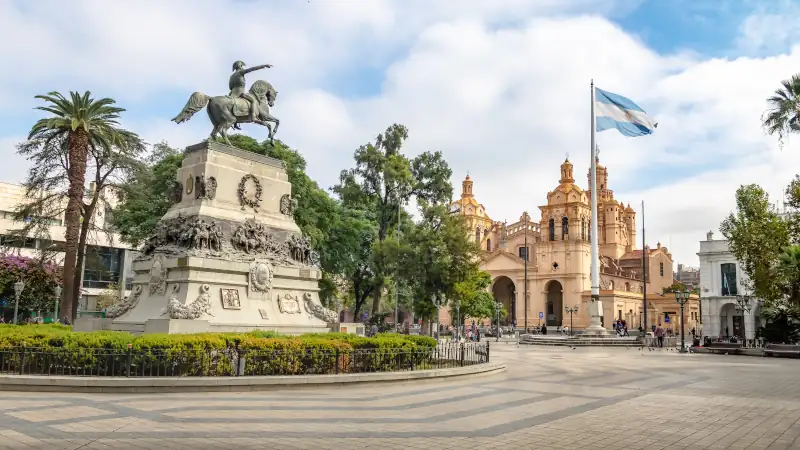
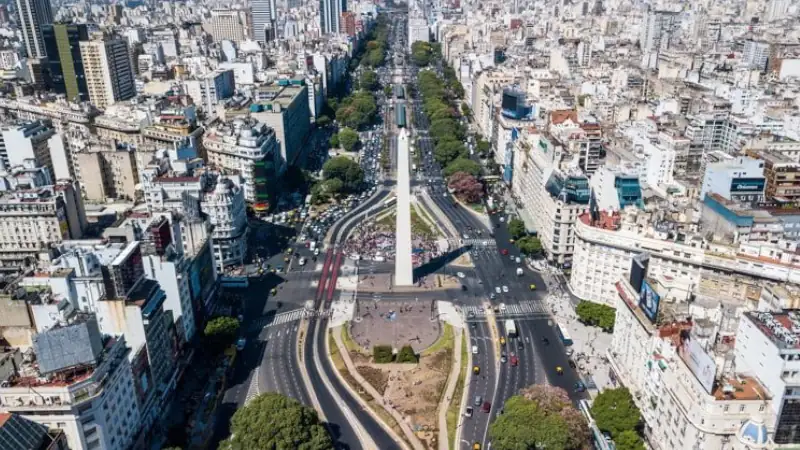
Buenos Aires is a city where the New World and Old World blend harmoniously. Grand dame Art Noveau apartment buildings, dating back centuries, coexist in the “Paris of South America” with contemporary, shiny skyscrapers.
The city is fast paced and trendsetting in art, design, and style, but at the same time, the cobbler on the corner and the neighborhood’s beloved tailor are toiling away in the same location where they have been for decades.
It is a city with a feel unlike any other—Latin American with heavy brushes and touches of European cultures, as well as influences from just about every corner of the world.
Buenos Aires is such a rich and multifaceted city that specific neighborhoods have distinct looks, feels, and personalities.
The majority of expats are concentrated in a few particular areas, which are considered to have the highest standard of living and to be the safest. These include Palermo, Belgrano, and Recoleta, though you can find expats living anywhere in this Argentine metropolis.
Mendoza
Mendoza is a popular retirement destination for expats from around the globe. Argentina’s most important wine region, Mendoza is a stunningly tranquil nature retreat.
Surround yourself with breathtaking views of the Andes, and enjoy a hot climate with minimal rainfall. This area is perfect for the active retiree, with a huge range of activities on offer, such as skiing, hiking, bird-watching, and climbing, to name a few.
For those who want to immerse themselves in city life, Mendoza is a great relocation option. Mendoza City is a hub of culture, with endless art galleries, museums and restaurants to discover.
The city has a buzzing social scene with lively nightlife, making it easy to meet new people and to feel at home.
Interactive Map Of Argentina
Click on any highlighted city or region to explore in-depth guides on what life is like there—from cost of living and climate to culture and real estate opportunities. Each location featured is one we’ve carefully reviewed and consider among the most livable and investment-friendly spots in Argentina. Use this map as your starting point for discovering where in Argentina your ideal lifestyle awaits.
Where Is Argentina Located?
Argentina is a country in South America.
Looking at a map of Argentina you will see that a large majority of country’s eastern border is a coastline with the South Atlantic Ocean. It is surrounded by Chile to the West, Bolivia and Paraguay to the North, and Brazil and Uruguay to the East.
Argentina is served by over one thousand regional and international airports, however less than 150 of them have paved runways.
In Buenos Aires, Ezeiza Ministro Pistarini International Airport (EZE) sees more than 8.5 million passengers per year.
Most importantly, Argentina has reliable internet services. More than two thirds of the population are connected, and mobile internet usage is growing rapidly. Also, cellphone communication is also good here.
Highway systems crisscross the country, but many are unpaved and in need of renovation.
Argentina has over 6 thousand miles of navegable waterways with various ports, most of the major ones on the Atlantic coast.
Buenos Aires can be an easy place to slide into as a foreign retiree.
Much of the local population speaks English and is eager to practice with foreigners, as well as to show off their city. And, it’s easy to connect with fellow expats.
Due to the country’s expansive and changing landscape, Argentina experiences different climates throughout its regions.
In Buenos Aires (the capital) and the Pampas, summers are hot and humid, reaching 90°F.
Most foreigners arrive through Argentina’s International Ezeiza Airport, where direct flights from all major international airlines land daily.
Also, Ezeiza serves the capital, Buenos Aires.