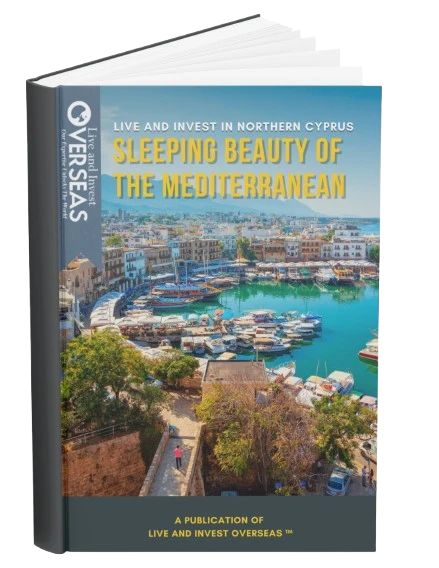
How To Buy Real Estate In Cyprus
Foreign nationals and companies must request permission to acquire property in Northern Cyprus. Buyers need a valid passport and a clean criminal background record from their local police department.
Foreigners can own one property in their own name in Northern Cyprus. Spouses can hold one property each. Buyers seeking multiple properties are generally advised to set up a local corporation or use a trustee structure with legal guidance.
You do not have to take title immediately. Once the purchase contract is registered, your ownership is secured, and the property cannot be resold to another buyer.
Steps To Buy Real Estate In Cyprus
Choose a property and make an offer. If accepted, sign a reservation contract and pay a fee typically ranging from US$1,000 to US$5,000.
Hire a trusted local lawyer experienced with overseas transactions. The lawyer conducts due diligence, checks building permits, and handles procedures with local authorities.
Sign the sales contract. A down payment between 30% and 60% of the sales price is usually required, depending on construction stage.
Register the contract within 21 days at the District Land’s Office and pay 0.5% stamp duty. Registration secures the property in your name.
Apply for Permission to Purchase. This can take up to a year but is largely procedural. Buyers can live in the property while it is processed.
Final title transfer occurs once the property is paid in full and VAT and transfer taxes are settled.
The Cyprus Real Estate And Property Market
Northern Cyprus represents 36% of the island’s land area but has more than 50% of the coastline, offering extensive coastal development zones.
The market has grown steadily over the past 20 years, supported by tourism, higher education, and foreign investment.
More than 100,000 foreign students live on the island, contributing to consistent rental demand.
Tourism exceeds 2 million visitors annually, strengthening the short‑term rental market.
Capital appreciation on oceanfront and beach properties has historically ranged between 10% and 20%.
Rental return projections in newer projects can reach double digits under pre‑pandemic occupancy assumptions, with 6% minimum net yields commonly cited.
Key northern regions include East Kyrenia, West Kyrenia, Long Beach (Iskele), and Bafra resort zone.
Find A Property In Cyprus, A Simplified Check List
Confirm the property has a freehold title and understand the title category (Pre‑1974 Turkish title, Exchange Land, Tahsis deed, or Leasehold).
Avoid Tahsis (TMD) title deeds due to higher historical ownership risk.
Work with a lawyer to verify permits, title status, and land registry records.
Assess whether the developer provides built‑in rental management services.
Review amenities such as pools, gyms, shops, and on‑site services which impact rental performance.
Understand currency pricing (often in British pounds) and implications for your home currency.
What Are The Best Places To Buy Property In Cyprus?
Cyprus isn’t a single-market island. Each region operates with different demand drivers — tourism, students, infrastructure expansion, lifestyle migration, or resort development. From what I’ve seen, understanding these distinctions is key to choosing the right type of investment.
Famagusta, Cyprus
Famagusta sits near one of the island’s strongest coastal tourism belts. Its appeal comes from proximity to beach corridors, resort-style developments, and historic drawcards that keep visitor numbers consistent.
Nearby coastal zones have seen integrated developments with pools, restaurants, and on-site retail — the type of amenities that directly impact short-term rental performance. The demand mix here includes tourists, long-stay visitors, and students from the surrounding education sector.
For investors, this region leans toward vacation rental and resort-adjacent property rather than purely residential holdings.
Learn more About Famagusta, Cyprus…
Kyrenia, Cyprus
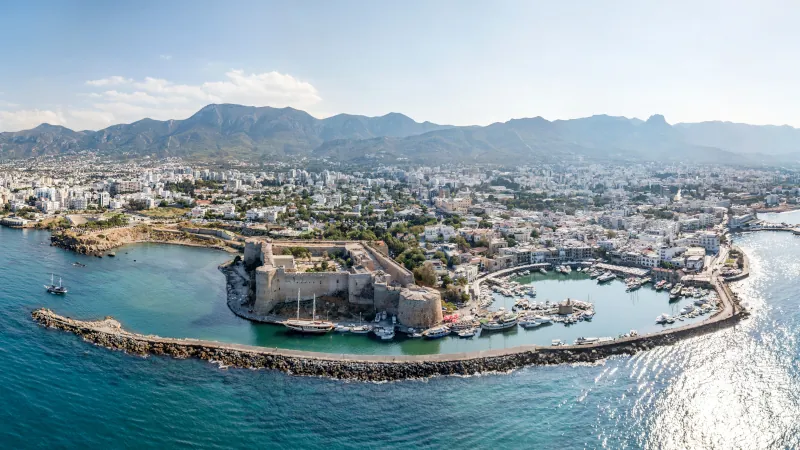
Kyrenia acts as the anchor of the northern coastline and the starting point of most development expansion. Everyday infrastructure — supermarkets, restaurants, services — is well established here, which supports both lifestyle buyers and renters.
East of the city, I saw coastal land rising into mountain terrain, creating elevated plots with protected ocean views. Strict building height limits and coastal setbacks here help prevent over development, preserving long-term value.
This area has been experiencing strong construction activity and rapid sellouts. Properties on the ocean side of the main coastal road tend to attract short-term renters, while slightly inland developments draw long-term residents at lower price points.
Kyrenia’s appeal is its balance: livability + rental demand + view-protected development.
Learn more About Kyrenia, Cyprus…
Larnaca, Cyprus
Larnaca feels like a city at the start of a transformation cycle.
As the location of the main international airport, it’s the primary entry point to the island. Historically, it didn’t evolve into a major tourist hub because the coastline was industrialized to serve as an oil and gas supply base. That industrial harbor — once a drawback — is now the focus of a massive redevelopment.
The coastal makeover underway will replace old industrial zones with promenades, restaurants, shops, hotels, marinas, and leisure infrastructure. Plans call for redevelopment stretching roughly 12 kilometers from the airport along the coast. When I reviewed the scope of this project, it felt like arriving early in a city-wide renaissance phase — the kind of long-term transformation that changes property values over time.
Larnaca also benefits from a strong student housing component, with universities expanding and new education-linked developments underway. That adds a second demand stream beyond tourism.
This is a market that currently feels priced at pre-development levels, with potential tied directly to infrastructure rollout.
Learn more About Larnaca, Cyprus…
Limassol, Cyprus
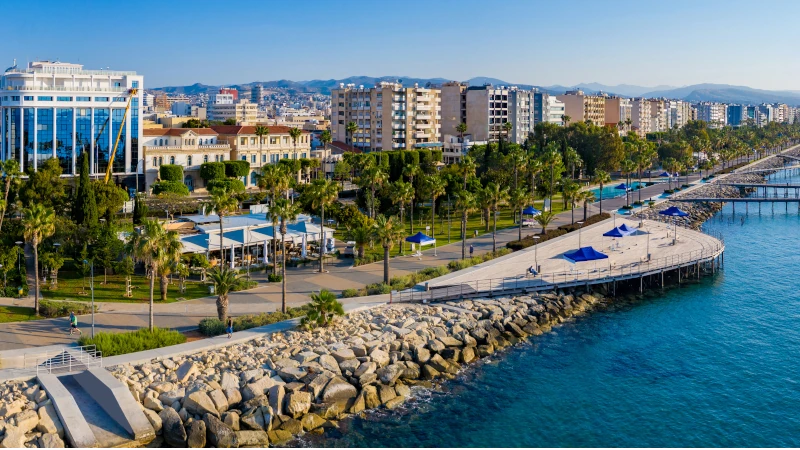
Limassol is the most established cosmopolitan market on the island. Historically favored during British rule, it developed early infrastructure and remains a major port city.
Its coastline has undergone intensive construction, particularly high-rise residential towers. Much of this boom was driven by foreign capital flows and residency-linked investment programs in the past decade.
Today, Limassol represents the mature, premium-priced end of the Cyprus market. Rents are high relative to other cities, but transaction volume has slowed compared to peak development years. Investors here are generally looking at established urban property rather than early-stage growth plays.
Learn more About Limassol, Cyprus…
Paphos, Cyprus
Paphos blends tourism, history, and resort development.
Known for archaeological significance and UNESCO-recognized heritage sites, it has long drawn visitors. Over recent decades, developers have expanded coastal resort zones, and the city now functions as one of the Republic’s major tourism hubs.
The presence of a second international airport supports visitor traffic. Property here often aligns with resort-style living, holiday homes, and lifestyle buyers rather than emerging development plays.
Learn more About Paphos, Cyprus…
Troodos, Cyprus
Troodos offers a completely different investment profile. Located in the mountain interior, it is the island’s green heart and year-round local tourism draw.
Summer brings cooler air and hiking traffic; winter brings the island’s only snow and ski activity. Villages here are known for vineyards, historic churches, and rural homes rather than coastal development.
This region appeals more to lifestyle, retreat, and countryside property buyers than to rental-yield-driven investors.
Learn more About Troodos, Cyprus…
Real Estate Taxes In Cyprus
VAT on new properties sold by developers is currently 5%, payable when title is issued.
Transfer tax is 6%, currently reduced to 3%.
Stamp duty of 0.5% is payable upon registration of the purchase contract.
Rental income is taxed at 10%.
Capital gains tax is 4%, with a first‑time seller exemption option.
Property Prices In Cyprus
Apartments in Iskele Long Beach increased from approximately US$50,000 to about US$65,000 within a year.
Entry‑level properties can still be found under US$100,000.
Studio units have been marketed around 54,900 British pounds in some developments.
Million‑dollar oceanfront villas are available but remain comparatively inexpensive relative to other Mediterranean markets.
Renting Property In Cyprus
Short‑term rentals are strong due to tourism from Europe, Turkey, and Israel.
Developers with in‑house tourism companies often manage rentals, supporting higher occupancy rates.
Properties with full amenities outperform basic developments lacking services.
Student demand and medical tourism contribute to long‑term and specialized rental niches.
Our Thoughts On Cyprus Real Estate
Cyprus — particularly the north — offers a rare combination that’s hard to find in today’s global property market: low entry prices, coastal supply, and strong rental drivers, all in one place.
Yes, the political structure of the island is unique, and that can make the market feel different from buying in Western Europe. But on the ground, daily life runs normally, property transactions proceed smoothly, and development continues at pace. In many ways, that complexity is what has kept prices low relative to the Mediterranean coastline elsewhere.
The bigger risks here are not about demand — tourism, education, and retirement migration are already established. The real variable is timing. Markets like this don’t stay in the “value” category forever. I’ve seen similar stages before in other emerging coastal markets: early infrastructure growth, expanding flight access, and rapid sellouts of new phases.
From an investor’s perspective, the formula is straightforward: focus on new developments with strong amenities and built-in rental management. Those are the projects already demonstrating the best occupancy and yields.
The bottom line is this: Cyprus still offers solid value for money in a part of the world where that’s becoming rare. For buyers looking for a mix of rental income and appreciation potential, it’s a market worth being in sooner rather than later.