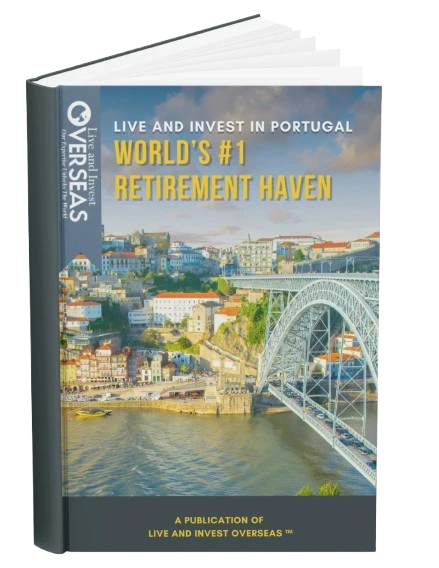
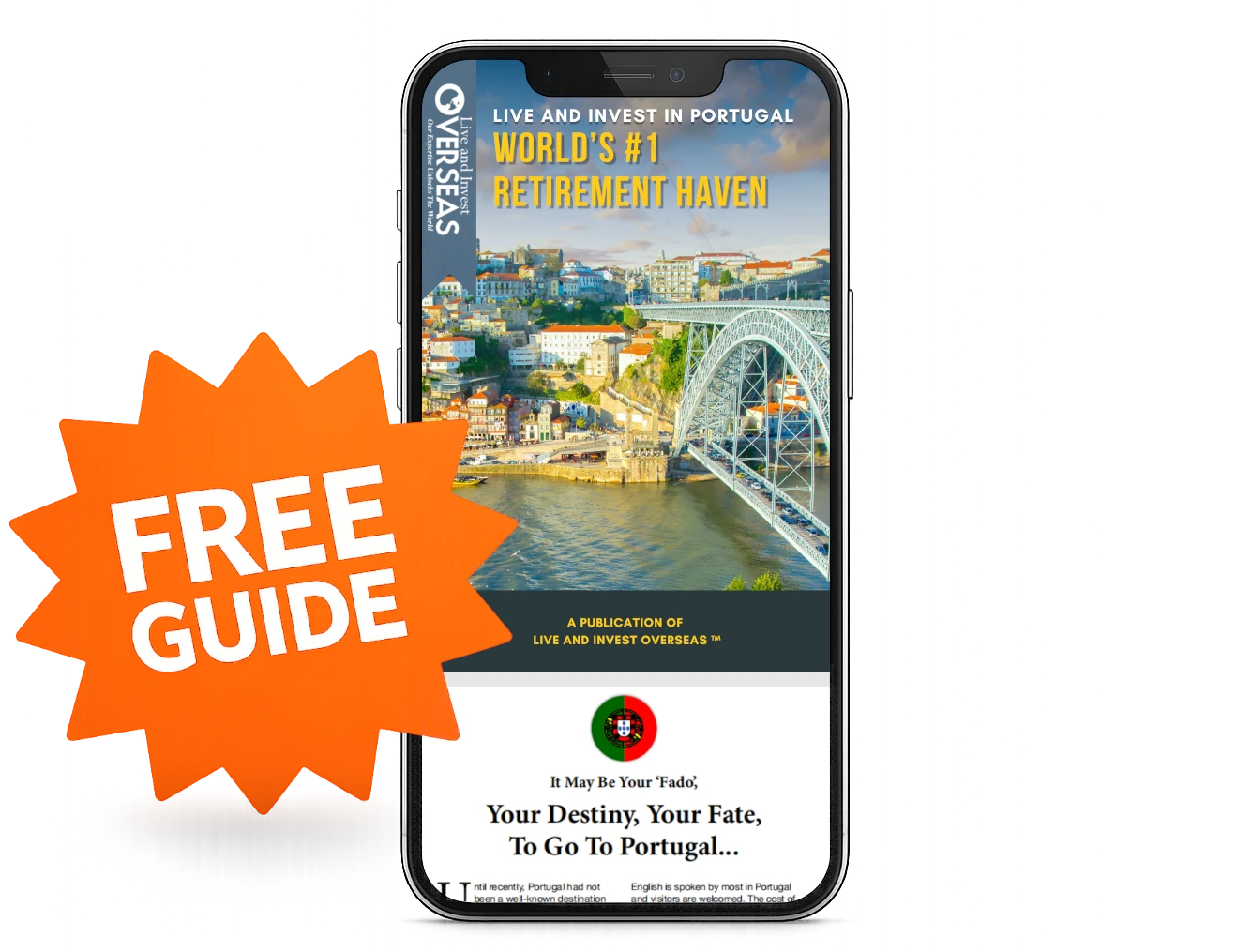





Long a favorite with British vacationers and expats,—some 50,000 Brits make their home there—Americans have been following in their footsteps in recent years and today a reported 20,000 U.S. citizens live in Portugal.
Portugal has repeatedly featured in our annual Overseas Retirement Index because it offers everything would-be retirees could want, including near-perfect weather and sunshine year-round; an established and welcoming expat community; top-notch medical facilities; an affordable cost of living for a high quality of life; First-world infrastructure; and easy access to the United States and all of Europe.
Plus, English is widely spoken here among locals as well as foreign residents, so it’s a good choice for those who are nervous about learning another language.
Portugal’s health care system is ranked the 9th best in Europe and 12th in the world. Every citizen and legal foreign resident who has registered with their local health center benefits from the national health care system, which guarantees all basic health—accidents and illness—is covered.
The hospital network has modern, well-equipped units, and at least 90% of all doctors are English-speaking. Specialty consultations at a public hospital will cost you about €8 and emergencies about €20.
Because of the long wait times in the public system, most expats supplement public care with insurance that allows them to visit private facilities. Locally, you could consider Multicare, Médis, or Liberty Seguros. Most private hospitals and clinics have agreements with these providers.
Health insurance isn’t expensive in Portugal depending on the plan you choose. One expat tells us they pay around €22 per month, flat rate. All specialty consultations are at least 50% covered by insurance, meaning you pay less than half the total cost of the appointment. For example, an average specialty consultation costs about €80; with insurance you’d pay only €35.
To come to Portugal as a tourist, you don’t need a visa as an American or Canadian passport-holder. As a tourist, you can stay for a maximum of 90 days within any 180-day period.
The residency visa that most Portugal expats choose is the Passive Income Earner Residence Permit, or D7 visa. As the name suggests, this is an option for people who have income or capital that allows them to support themselves in Portugal.
To qualify for the D7, you have to meet a minimum income requirement, which is determined by the minimum wage. The immigration officer that processes your application has discretionary power, however, so we recommend you have more than the minimum amount for the best chance of being accepted. About €1,500 per month should do it. For a couple, you should be able to show one-and-a-half times this amount.
The liquid assets you can use to qualify can be pensions, dividends, royalties, salary (as long as it’s not Portugal-sourced), or capital.
Portugal doesn’t impose any restrictions on foreigners looking to purchase real estate and it has double taxation treaties in place with Canada and the United States, so you’re at no risk of being taxed twice here.
Until next time,