Ecuador's Vibrant Culture, Established Expat Communities, And Cheap Living
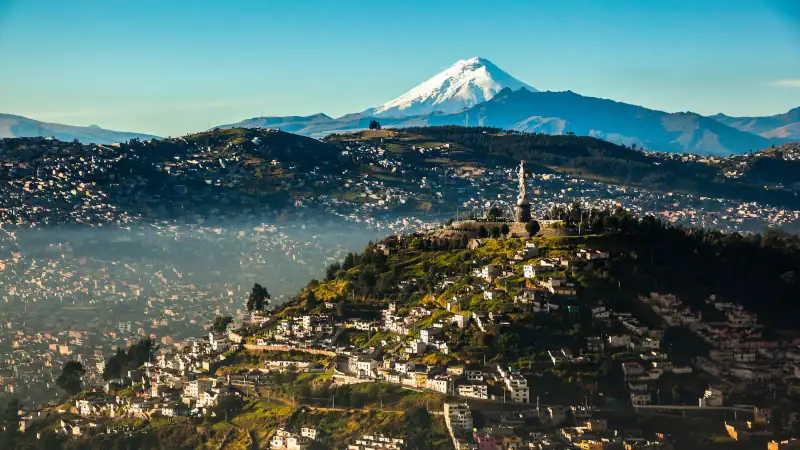
Ecuador is one of the most beautiful and diverse countries on the planet, boasting the Amazon Rain Forest, the Galapagos Islands, hundreds of miles of coastline, and the bucolic Andean central valleys.
Thanks to this geographic diversity, Ecuador enjoys environmental “megadiversity,” meaning it’s home to an inordinate percentage of the planet’s plant and wildlife species.
About the size of Nevada, Ecuador has a population of over 15 million people, most of whom are an ethnic mixture of Spanish and Native American.
Formerly a part of the northern Inca Empire, Ecuador was conquered by Spain in 1533. During this time, it gained independence in 1822 to become part of Gran Colombia, where it remained until total liberation in 1830.
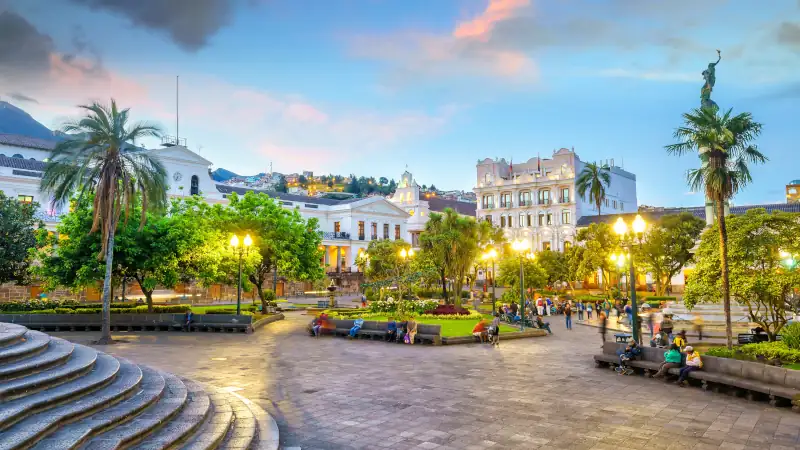
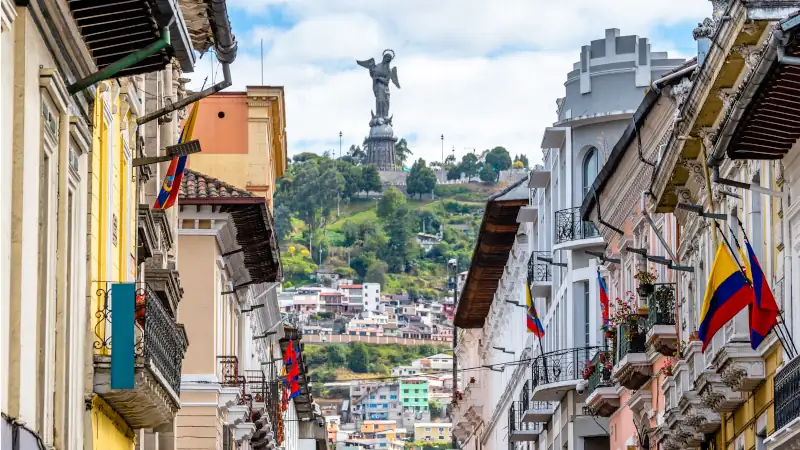
Today, Ecuador incorporates its indigenous heritage with its colonial past, creating a vibrant culture felt strongly throughout the country.
Ecuador experienced an oil boom from 2005 to 2014, resulting in ambitious infrastructure projects and multibillion-dollar initiatives to improve health and education and reduce crime and poverty.
This initiative transformed a once-struggling country into one of Latin America’s highest-ranking countries for standard of living.
Expats have caught on to this country’s incredible natural beauty and high quality of life, with thousands of North Americans and Canadians already calling Ecuador home.
Living In Ecuador
In recent years, Ecuador has topped the list of top retirement overseas havens.
The benefits of relocating to Ecuador include beautiful nature, a pleasant climate, cheap cost of living, high-quality infrastructure, a thriving expat community, and friendly locals.
Ecuador is easy for North Americans and Canadians to retire to because of its straightforward and cheap residency process and the fact Ecuador uses the U.S. dollar as its national currency.
The climate in Ecuador varies significantly throughout its four regions: the Sierra, the Oriente, La Costa, and the Galapagos Islands.
Its mountainous regions, the Sierra, enjoy a spring-like climate year-round, while La Costa, its coastal plains are warmer and more humid. As Ecuador is located on the equator, temperatures and weather conditions stay consistent year-round.
Spanish is the official language of Ecuador. You’ll use it for business and any interactions with the government.
Ecuador’s second language is Quichua, the indigenous language still spoken by over 10 million Native Americans in the Andean region.
You’ll find English spoken in expat or tourism-related business, the occasional real estate agent, a few doctors, and of course around the language schools.
In Ecuador’s bigger cities, expats are fortunate to have plenty of fellow English speakers in town. For example, it’s easy to find someone to help you get on your feet. If you plan to retire in a more remote part of Ecuador, you should take a few Spanish lessons.
Cost Of Living In Ecuador
The cost of living is one of Ecuador’s top selling points. Ecuador is about as inexpensive as it gets in Latin America.
The savings come not just from cheaper goods and services but a lifestyle change. Instead of the two cars in the driveway most expat couples had before leaving North America, most have none in Ecuador.
Expats get by with public transportation, resulting in hundreds of dollars in savings per month.
Among the categories offering the biggest savings in Ecuador is housing.
The average purchase price in Ecuador is less than 50% of a comparable property in the States. You’ll also save a lot on utilities. Because of its location near the equator, most homes in Ecuador don’t require air conditioning or heating.
Health Care In Ecuador
By law, all Ecuadorians and visitors to the country are guaranteed health care, no matter their ability to pay.
Ecuador’s government has a two-tier public health system: one for members of the Social Security system (IESS), which foreign residents can join as voluntary members, and the public health system, that’s open to everyone.
Like all public health systems, the Social Security plan has significant drawbacks, such as long waits to see specialists for non-life-threatening surgery. Most expats opt in to the social security system as fees are minimal and will often have private health insurance on top of this, in case they decide to seek private medical service.
Private health care costs are low, and the quality is high. Private hospitals offer world-class treatment with modern facilities, and most doctors speak excellent English.
Getting To Ecuador
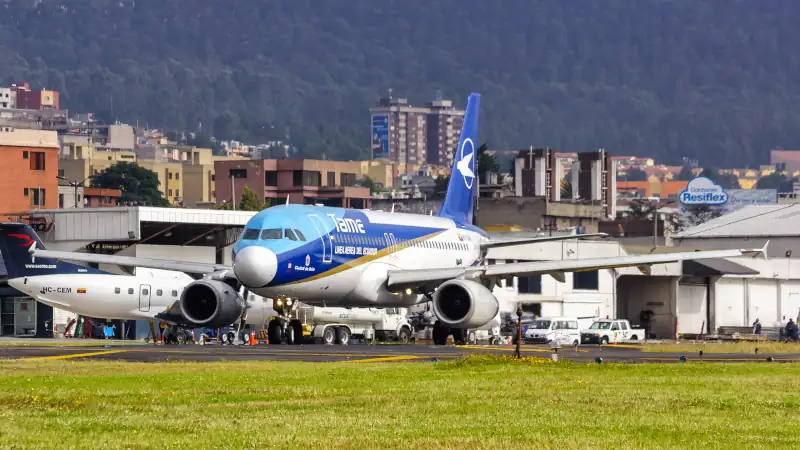
Ecuador has 11 international airports, connecting the multiple domestic airports dotted around the country to the rest of the world.
Also, you will find several daily non-stop flights from the States to Ecuador’s main cities. Ecuador has more than a dozen intra-provincial buses serving every corner of the country, which you can use to get from the airport to your final destination. If you would prefer a taxi, these are readily available and relatively cheap.
Best Places To Live In Ecuador
Cuenca
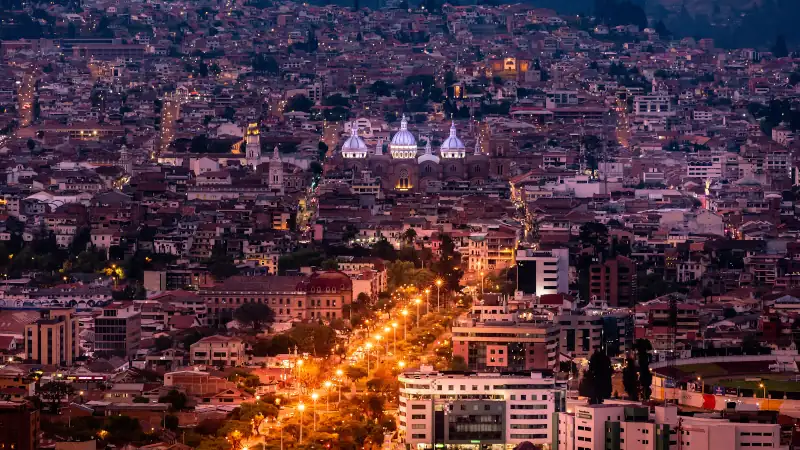
If you’re looking for the world’s best place to retire overseas on a budget, Cuenca will be almost impossible to beat. A UNESCO World Heritage Site, this former Inca capital retains a prominent Andean-indigenous influence…with colorful, open-air markets where women in traditional hats and brightly colored, embroidered full skirts bring their food and wares for sale.
Like many former Inca capitals, Cuenca is located in a central valley at a high altitude: 2,530 meters ( about 8,200 feet). It enjoys year-round, spring-like weather with slight seasonal variation.
Above all, the biggest draw to Cuenca is the cost of living: It’s extremely low for such a popular expat destination and amazing value for the quality of life you’ll enjoy here.
Loja
The city of Loja lies in Ecuador’s Southern Sierra region. If you want to leave the gringo trail and experience the real Ecuador, Loja is the answer. Loja has virtually no expat community, meaning you will incorporate into the local community. The people of Loja are friendly and welcoming, and it’s easy to become a part of the community.
The weather in Loja is ideal. The average high temperature in Loja is 73°F (23°C), with a seasonal variation of only 1 degree. Nights are always cool, with an average low of 45°F (7°C).
You don’t need heat, air conditioning, or your winter clothes and your snow shovel.
The countryside surrounding Loja is dramatic and beautiful, with green mountain peaks, idyllic valleys, and rushing rivers. To top it off, real estate here is some of the cheapest you will find in Latin America.
Interactive Map Of Ecuador
Click on any highlighted city or region to explore in-depth guides on what life is like there—from cost of living and climate to culture and real estate opportunities. Each location featured is one we’ve carefully reviewed and consider among the most livable and investment-friendly spots in Ecuador. Use this map as your starting point for discovering where in Ecuador your ideal lifestyle awaits.
Where Is Ecuador Located?
When you look at a map of Ecuador you see it is located in South America. It is surrounded by Peru to the South and East and Colombia to the North. Ecuador’s western coast is shared with the Pacific Ocean.