


FREE 3-PART MASTERCLASS
Watch The Free 2027 Overseas Masterclass Today!
Simply enter your email address below and watch 3 unedited, on-demand streaming sessions with local lawyers & expat specialists.

The economy in Nicaragua is challenged, however, it has increased in recent years. We share info on the country's industries and exports.
Simply put, Nicaragua is economically challenged. It remains the poorest country in Central America and the second poorest in the entire Western Hemisphere.
However, it is growing. And the combination of poverty and growth make it an ideal place to invest, which in turn helps support the Nicaraguan economy and earn the investor a tidy return too.
Under the administration of President Daniel Ortega, the Nicaraguan economy has increased dramatically although this growth has been somewhat held back by the global recession that began in 2008.
Inflation appears to be under control as well, at just over 6.32% in 2022, down from a high of almost 10.5% in 2022.
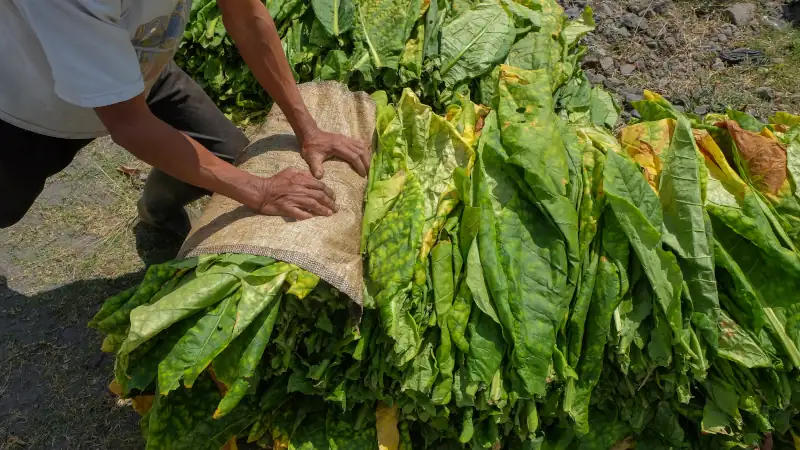
Nicaraguan farmers produce a variety of crops. Among them are coffee, tobacco, bananas, sugarcane, cotton, soy, beef, pork, poultry, and dairy.
The largest industries in Nicaragua are petroleum refining and distribution, food processing, and especially tourism.
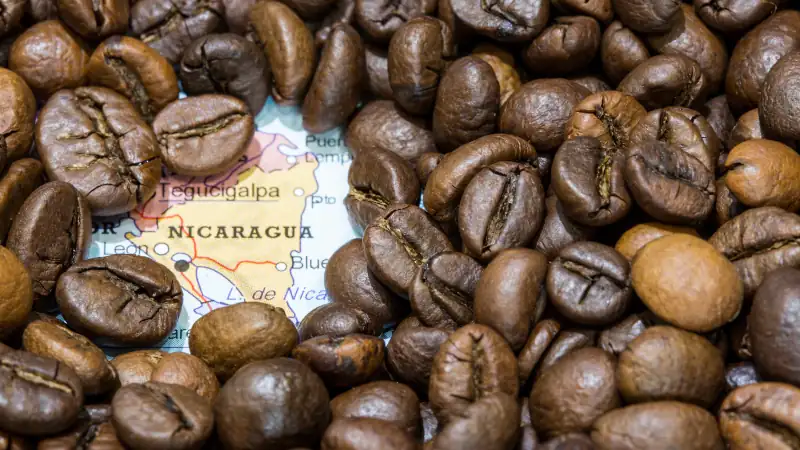
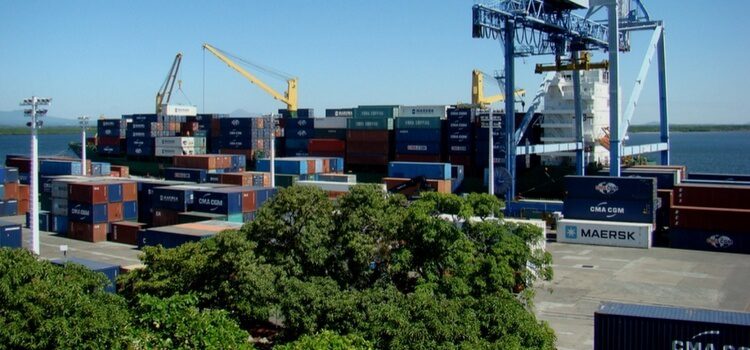
Recent data shows that Nicaragua is the 113th largest exporting country globally with total exports of US$5.4 billion.
Exported goods have decreased however over the previous five years at a rate of nearly 20%.
Nicaragua’s biggest exports are insulated wire (at three-quarters of a billion US dollars) and coffee (nearly half a billion US dollars).
Biggest exports from Nicaragua go to the US (over half), followed by Mexico, Venezuela, Canada, and El Salvador.
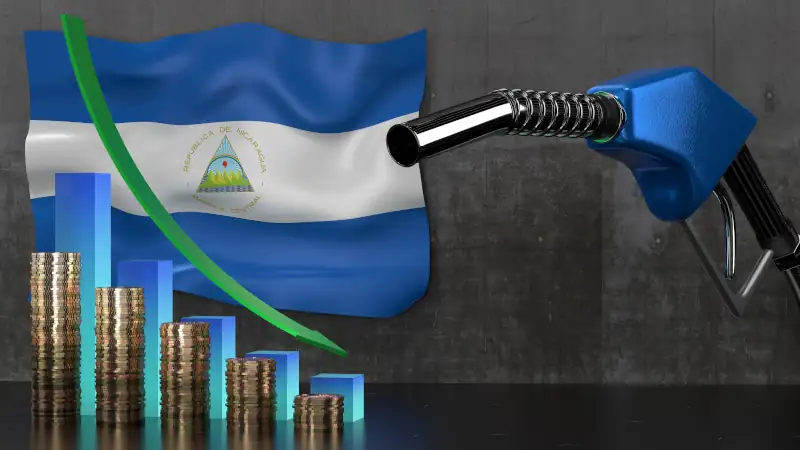
As of the latest data available, Nicaragua was the 121st largest importing nation. The amount of goods imported into the country has increased by almost 10% every year with a recent high of US$6.27 billion.
The largest product imported has been petroleum (crude and refined), which account for a whopping 14.1% of all imports.
Check the currency conversion at today’s exchange rate.
Nicaragua imports the most goods from the US (nearly a billion dollars annually), followed closely by China, Mexico, Guatemala, and Costa Rica.
GDP (purchasing power parity) (2023): US$43 (billions)
GDP per capita (2023): US$2.61 (billions)
Real annual growth rate (2023): USD $18.64 (billions)
Inflation (Dec. 2023): 6.32%
Unemployment (Nov. 2023): 3.90%.
Residents are taxed on their Nicaraguan-sourced income at progressive rates, from 10% to 30%.
Explore top living destinations, beach communities, highland havens, and city hubs across Nicaragua.
Practical guidance for planning your life, move, retirement, property purchase, or investment in Nicaragua.
Comparing different retirement or investment destinations head-to-head is not only necessary, but fun and interesting, as
Read InsightAI has no role at Live and Invest Overseas. Every time we allow AI into the conversation, we give up a little piece of your trust—and trust is the foundation of everything we do. Our strength is simple: real people speaking from real experience, in first person, telling real stories from the ground.
We will never publish AI-generated content. Not from ourselves, and not from anyone submitting to us. Our work is built on judgment, experience, trust, and what’s actually happening on the ground—not scraped summaries or recycled internet information.
When you read us, you’re reading lived experience. The stories, the insights, the perspective—that’s what AI can’t touch. And that’s exactly why we don’t use it.
Top Countries
Budgets
Resources
Real Estate
Conferences
Store
Free Report

© 2008 - Live and Invest Overseas - All Rights Reserved.