Get Your Free Panama Report Today!
Simply enter your email address below and we'll send you our FREE REPORT – Live And Invest In Panama: The #1 Retirement Haven In The Americas.

Top Destinations:
Whether you’re looking for fun and sun, a peaceful retirement, or the chance to earn some extra income, you’ve got a real world of opportunity open to you… In short, we’ve done our best to narrow down your best options, but only you can decide the right country for you.
Best For:
How Much Will It Cost You To Live Overseas?
The only honest answer is, we have no idea. And neither does anyone else. The only one who can answer that question is you. Here’s the most important thing to understand about budgeting your new life overseas…
Follow Us:
Upcoming Events
Live And Invest In Greece Workshop
Live And Invest In Portugal Conference
Live and Invest In Belize Conference
VIRTUAL
Feb. 19, 2026
LISBON, PORTUGAL
Mar. 25-27, 2026
BELIZE CITY, BELIZE
Apr. 22-23, 2026
Contact Our Events Team
Reach us with your questions by email at: events@liveandinvestoverseas.com
Unlock The World
Overseas Havens Reports
Conference Kits
Lahardan Books
Services
Our Customer Service team is here to assist with any questions or concerns CustomerService@LiveandInvestOverseas.com

Top Destinations:
Whether you’re looking for fun and sun, a peaceful retirement, or the chance to earn some extra income, you’ve got a real world of opportunity open to you… In short, we’ve done our best to narrow down your best options, but only you can decide the right country for you.
Best For:
How Much Will It Cost You To Live Overseas?
The only honest answer is, we have no idea. And neither does anyone else. The only one who can answer that question is you. Here’s the most important thing to understand about budgeting your new life overseas…
Follow Us:
Upcoming Events
Live And Invest In Greece Workshop
Live And Invest In Portugal Conference
Live and Invest In Belize Conference
VIRTUAL
Feb. 19, 2026
LISBON, PORTUGAL
Mar. 25-27, 2026
BELIZE CITY, BELIZE
Apr. 22-23, 2026
Contact Our Events Team
Reach us with your questions by email at: events@liveandinvestoverseas.com
Unlock The World
Overseas Havens Reports
Conference Kits
Lahardan Books
Services
Our Customer Service team is here to assist with any questions or concerns CustomerService@LiveandInvestOverseas.com

LIVE AND INVEST IN PANAMA
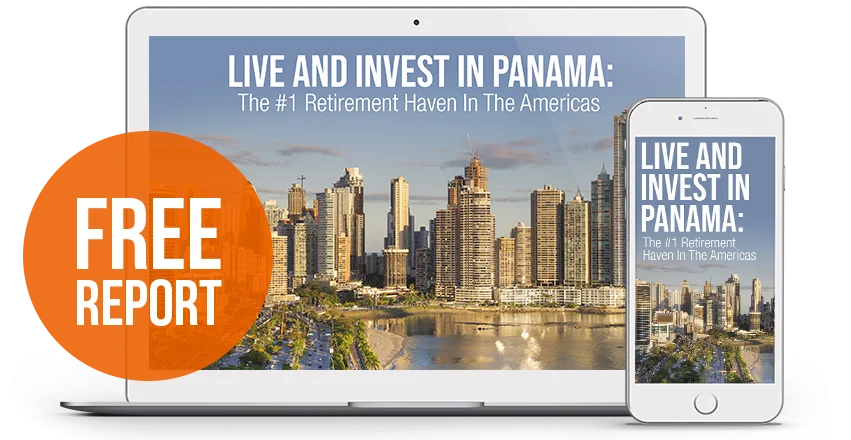
Simply sign up to receive the FREE daily e-letter, Overseas Opportunity Letter, plus our In Focus: Panama newsletter and we’ll immediately email you our editors’ latest research report… absolutely FREE
Panama is a prime destination for retirement and business, offering a lower cost of living and diverse lifestyle options, from bustling city life in Panama City to serene beaches and mountains.

There is no doubt that Panama has serious advantages for those looking for a country with a more affordable cost of living than the United States.
Plus, Panama is blessed with beautiful islands, ample coastline beaches, mountain retreats, and colonial towns.
Even before the Panama Canal was built, everyone wanted a piece of the golden pie. It was as if this little country’s growth was strangely predicted, pushing the Spanish, later the French, and then the Americans to move and build here.
It was the Canal, though, that really pushed Panama onto the global stage.
Panama City is the banking and financial hub of the entire region, and here, you can expect every First World amenity you can imagine.
Also, Panama City is choc-a-block with U.S.-style shopping malls, mega-grocery stores, wine shops, sushi bars, five-star restaurants, nightclubs, casinos, art galleries, and 12-screen movie theaters showing first-run movies in English.
Wi-Fi is world-class, the water is drinkable straight from the tap in most areas, and utilities are relatively reliable. The doctors and many medical facilities are top-notch.
And, once you get beyond the capital, Panama is a natural wonderland where you’ll discover beautiful tropical islands fringed with white sand and coconut palms… and mountain retreats where howler monkeys wake you up in the morning and migrating songbirds put you to sleep at night.

Reviewed By Kathleen Peddicord
Kathleen is the Live and Invest Overseas Founding Publisher. She has more than 30 years of hands-on experience traveling, living, and buying property around the world.



Start Your New Overseas Life Today
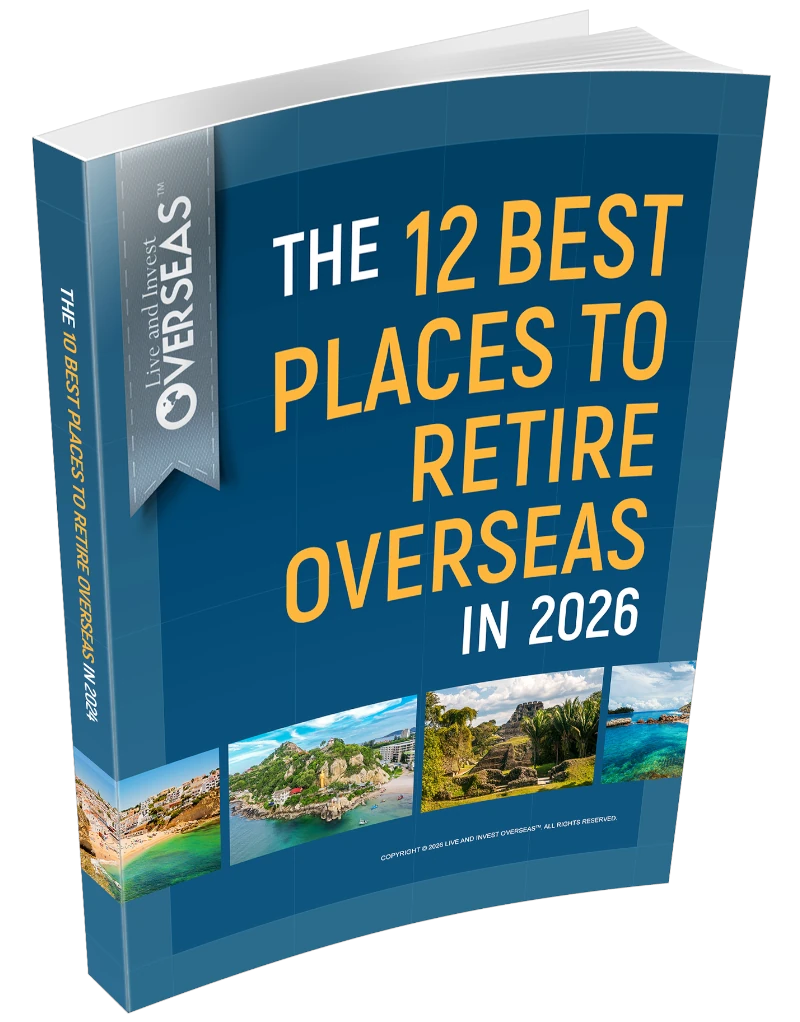
A world full of fun, adventure, and profit awaits! Sign up for our free daily e-letter, Overseas Opportunity Letter, and we’ll send you a FREE report on the 12 Best Places To Retire Overseas In 2026
We Value Your Privacy! We will not share your email address with anyone else, period.
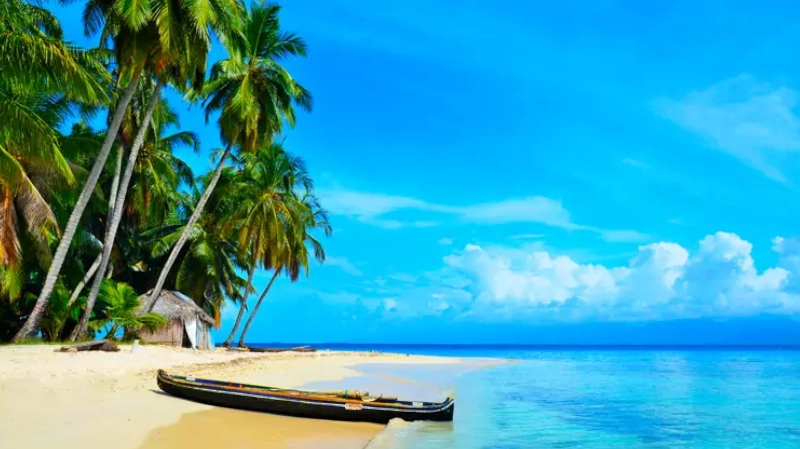
For such a small country, Panama packs a punch in terms of the diversity of lifestyles available. City or country? Beach or mountains? Modern or rustic? There are as many lifestyle options as mangos in the markets in this country.
Panama is Central America’s southernmost point, and, because of a bend in the isthmus, it is oriented more east-west than north-south. It’s only 50 miles from top to bottom at its narrowest point but stretches about 500 miles from east to west.
Plains border both coasts, rising upward to the country’s interior and central mountain ranges. Almost half the country is covered with forest, and about one-quarter of that is protected in preserves.
In addition to forest, Panama has more than 2,500 miles of coastline and some 1,500 islands, many uninhabited. There are breathtaking beachfronts still undeveloped and almost deserted in some parts of the country.
You can enjoy white-sand beaches, palm trees, soothing breezes, and colorful sunsets all by yourself if you want. Or, if you prefer, you can party until the wee hours with the surfers you’ll meet on many of the beaches.
The country’s strategic geographic position, and the significance of the Panama Canal, mean this destination is an important point on the world map.
In short, Panama’s economy has always been strong especially now due to the canal and the massive amounts of wealth that move through it (and earn Panama revenue).
Largely as a result of its crossroads positioning, but also thanks to its reputation worldwide as a top retirement, offshore, and banking haven, Panama is one of the fastest-growing countries in the world, and the fastest-growing market in the region.
Panama’s property markets continue to hold opportunity for investors in the know. During 2023, the value of residential construction in Panama rose by over 18% to $747 million after rising by over 21% in 2022 and 83% in 2021.
Demand is strong and continues to rise. Last year, home sales were up by 21%, and transaction values rose by over 8% to $750 million. This year, transaction values are expected to rise to $964 million.
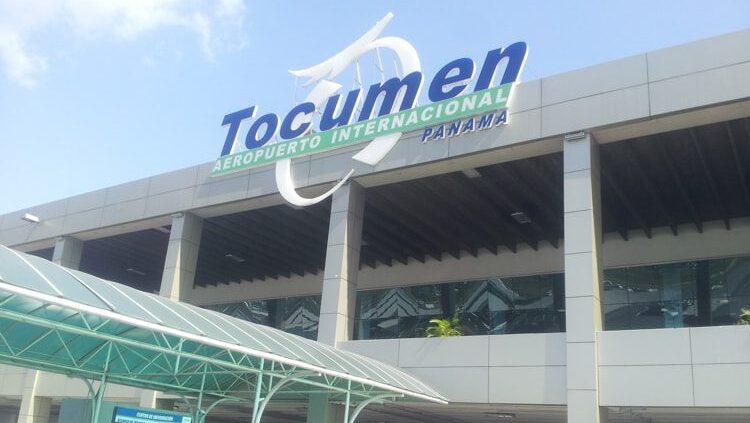
Called the “Hub of the Americas,” travel to Panama from the United States and Canada is easy due to its ideal location. Panama City’s Tocumen International Airport is where you’ll likely arrive.
The flight from Miami, for example, is direct and takes about three hours. Flight time from Atlanta is four hours, from New York it’s five-and-a-half hours. Direct flights from Toronto take just under six hours, and from Montreal it’s around a six-and-a-half-hour journey—making travel to Panama surprisingly easy from major North American hubs.
For travel within the country, you can fly from Panama City to David, the capital of the country’s Chiriquí Province, in about an hour or to Bocas del Toro, in around 50 minutes.
Plus, Panama makes a great base location from which you can easily explore the rest of Latin America and the Caribbean. It’s a 90-minute flight to San Jose, Costa Rica, 80 minutes to Medellin, Colombia, and two-and-a-half hours to Belize—another reason travel to Panama appeals to frequent travelers and expats alike.
To relocate to Panama permanently, you’ll first need to gather important documents, including proof that you can support yourself financially and a police record check.
Next, get on a plane to Panama. You can stay for 90 days as a tourist, but to be admitted by immigration, you may need proof of accommodation (such as a hotel reservation), proof of funds or a credit card, and proof of onward travel (such as a return ticket or a flight to another country, whether or not you intend to use it).
Once you’re in Panama, you can start the residency-application process, selecting from the wide variety of visa options that Panama offers.
For most people, Panama’s retirement visa (the Pensionado Visa) may be the easiest way to get residency quickly. To qualify, you need to be at least 18 years old and receive a monthly income of at least $1,000. You need to provide your police record check plus a health certificate issued by a Panamanian doctor as part of your application. You must file your application in Panama with a local lawyer. If approved, you’ll be issued a permanent residence permit that’s valid indefinitely.
Panama is a top expat haven, its quick and easy residency options aside. It uses a territorial approach to taxation, so expats can live here without a local tax burden depending on the source of their income. The local currency is the U.S. dollar, making relocation simple for U.S. expats who don’t have to concern themselves with exchange rates or transferring funds.
It’s economically stable because of the Panama Canal, and its friendly tax policies have made Panama City a base for multinational corporations from around the world. The capital is cosmopolitan, home to expats from diverse backgrounds. The culture is familiar for many Americans because of the former U.S. presence in the Panama Canal Zone.
Outside of Panama City, Panama’s interior has incredible biodiversity and natural beauty, including Caribbean and Pacific beaches, islands, volcanoes, jungles, rain forests, rivers, waterfalls, deserts, and more. Hitting the beach, going for a hike in the highlands, or escaping to white-sand Caribbean islands are a few of the ways Panama expats spend their free time.
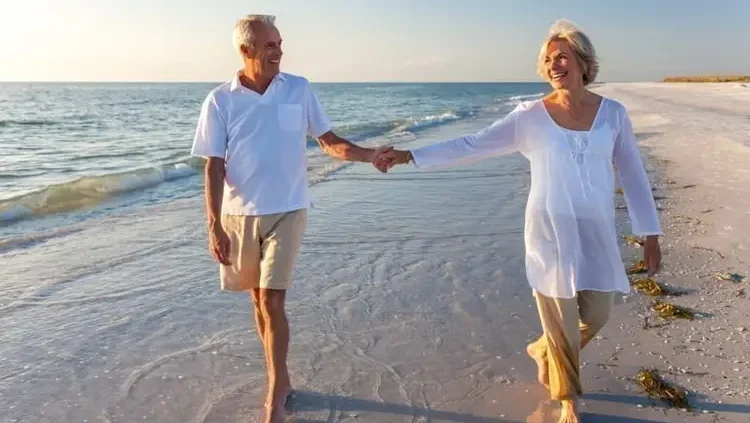
Panama’s foreign retiree pensionado visa is famous the world over, and seniors in this country are treated with the highest respect.
As a retiree here, you’ll get the red-carpet treatment with benefits such as:
Plus, you can skip the front of just about any line (from the grocery store to the government visa offices). It’s a small thing, but it might just be every retiree’s favorite perk!
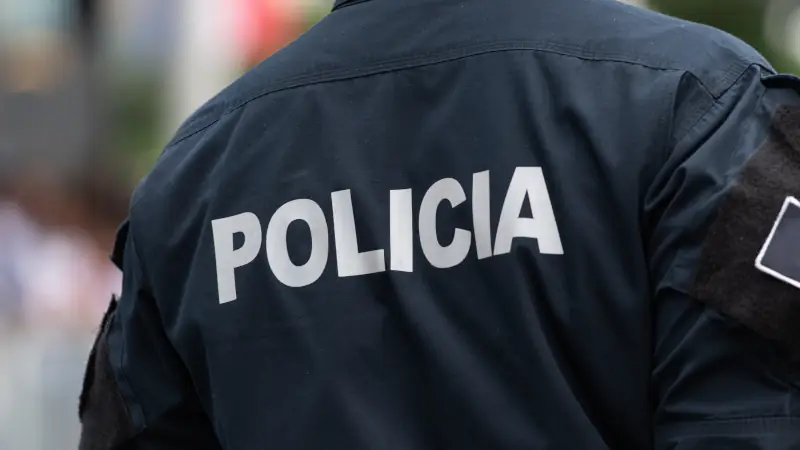
Safety is one of the top decisive factors when choosing where to travel and/or relocate, and rightly so. We all want to live with the certainty that we won’t get mugged every time we step out the front door of our homes.
Simply put, Panama is a safe country. But like every other country in the world, Panama has some areas––both in Panama City and in the country’s interior––that are more dangerous than others. We call these areas, “zonas rojas” (red zones).
Most areas in Panama City where businesses are set up, malls are located, and homes are built, are safe. Areas like, Punta Pacífica, Ave. Balboa, El Cangrejo, San Francisco, Balboa, Albrook, Clayton, Marbella, Obarrio, etc., are all safe neighborhoods where people enjoy walking around with minimum concern.
It’s not always easy to distinguish where one neighborhood ends and the other begins, so it’s always a good idea to ask a local where you can wander around safely. Generally speaking, the look of houses and streets will make poorer neighborhoods easier to spot. These are the areas you want to avoid.
As mentioned above, you won’t always know when you’ve crossed over to a different neighborhood. So if you suddenly notice a change in architecture, see clothes hanging from balconies, and people looking at you in a way that makes you feel uncomfortable, calmy turn around and find your way back to where you came from.
Some of the neighborhoods in Panama City to look out for are:
All in all, though, Panama is a safe country to relocate to. Many expats move to Panama City or the interior and never get mugged or feel threatened in any way.
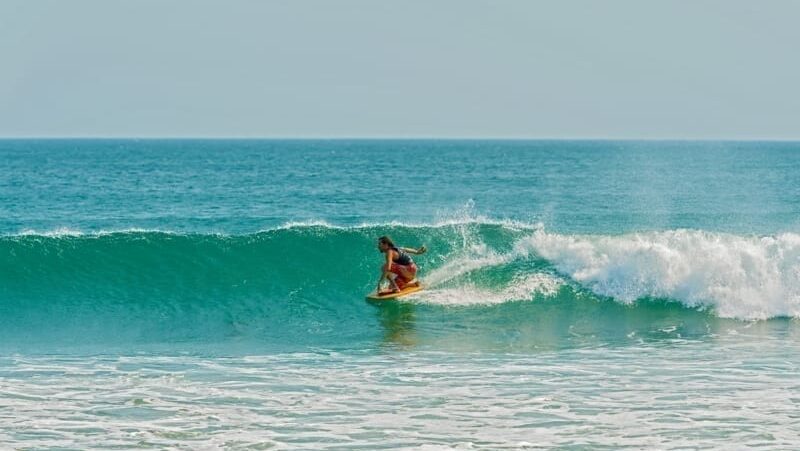
Panama is also a top choice for singles making a move overseas because it’s one of the most user-friendly overseas havens you’ll find. In Panama, the expat’s path is well-paved. Arriving here as a single person (of any age), you’d find many opportunities for making friends and connections.
Panama City is home to thousands of expats and dozens of welcoming expat groups.
In addition, Panama offers two other regions where a single person can tap into a well-developed and friendly infrastructure of support: Coronado (on the Pacific coast about an hour outside Panama City) and Boquete (in the highlands, one of the world’s biggest communities of expat retirees).
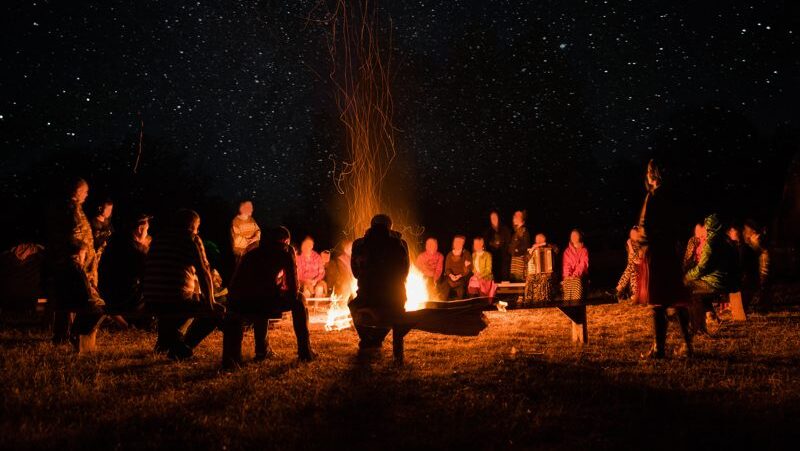
Arriving in Panama and getting situated can be an overwhelming experience for some people.
Getting your bearings straight, figuring out your housing arrangements, setting up your utilities, connecting phone and Internet, arranging any necessary documentation, finding a quality grocery store—all work, no play.
When you do finally get situated and your to-do list becomes a little shorter, getting out and meeting new people is probably your next undertaking.
After decades of U.S. control of the Panama Canal and the military bases that came along with that, Panama is full of expats—many of them from the United States. However, Canadians, Germans, Colombians, South African, Argentines, and many other nationalities are found here, too.
Don’t be shy. Approach a group at a bar, say hi, order a round of drinks, and you’ll be fine. Most expats in Panama are open to meeting new people and will quickly welcome you into their social circle.
Your new friends can be more than that, too. Don’t underestimate the amount of knowledge they have about relocating to Panama. They’ve done it all and could probably give you some tips on setting up in your new country.
If you’re less outgoing and the thought of approaching strangers seems daunting, you have other options. Many Facebook groups, communities, and forums exist online for the purpose of helping expats integrate and assimilate into their new surroundings.
Most of these groups focus on Panama City, hosting social gatherings, charity fundraisers, and even outdoor excursions to beaches, jungle, or offshore islands.
Most focus on socializing, though some focus on certain activities. Many of these events sometimes have drink specials too, making it even easier to loosen up and meet new people.
Here is a list of resources for finding expats and events in Panama. Some of the resources are for the entire country, while others a little more localized.
This group is a good starting point. With more than 20,000 members, posts range from where to go for a good cellphone, finding a plumber, or chatter about what’s going on around Panama.
Founded in 1931, this group’s presence in Panama is entrenched in the expat community. Membership is open to anyone, regardless of citizenship or national origin.
The society sponsors and performs charitable works, assists groups or individuals that engage in like-minded endeavors, provides a forum for discussing current events, and keeps members abreast of important issues that affect the community.
Meet and mix events are held regularly and are a great starting point for new expats.
A group of local and expat mothers in Panama, helping each other out with all the challenges of childrearing. They organize play dates, excursions, as well as monthly ladies’ nights—a great opportunity to leave the kids with the husband and unwind.
This group organizes social gatherings and beach parties on a regular basis. The “young” and “expats” parts of the name aren’t strictly defined— attendees range anywhere from ages 18 to 45, with a couple Panamanians usually in the mix as well.
This is a great group to join if you’re looking to relocate to Panama or if you already live here. You’ll see posts about events, gatherings, rentals, pet sitting
services, volunteer opportunities, house/apartment sales, and more.
Mostly made up of expats, perpetual travelers, retirees, and business owners in Panama (Costa Rica and Colombia), this group is for networking, asking questions, and talking about your life, family, business, or just what’s on your mind. With people who can relate to you and help you, this is an extremely useful group.
This is a group of expats in Panama who want to make a difference and improve the quality of life for those who are less fortunate and living in poverty in Panama. They work with established nonprofit groups in fundraising and organization.
This website provides English language info in Panama’s most popular expat destination, Coronado, just outside of Panama City. The website features
informative articles, a business directory, restaurant guide, classifieds, and packed-full events calendar.
This is your chance to get insider information about Panama’s top expat haven directly from other expats who’ve already made Boquete their home. Here you’ll get information on everything from rentals and sales to everyday news and weekly events.
Like the Boquete Community Group, here you’ll be able to connect to your fellow expats. But, if you’re from Canada and are looking to connect with other fellow Canadians who’ve set up house here, this is the group for you.
This group offers a fantastic way of getting to know your new hometown as well as fellow expats. Walks/hikes are posted almost daily giving you the extra bonus of staying active and healthy.
Get more of an overall insight into what life in the Province of Chiriquí could be like for you. Whether you’re looking at Boquete, David, Volcán, or Puerto Armuelles, this is a great place to start and get all of your questions answered by those already living here.
Coronado is among Panama’s most popular expat destinations. If you’re looking to move here, join this group and get most (if not all) of your questions answered by fellow expats who already live here.
El Valle de Antón doesn’t have a huge expat community, so pointing out your fellow expats should be fairly easy. However, this group gives you the opportunity to stay up to date on everything expat related here. Plus, if you haven’t made the move yet your fellow expats could give you some pointers.
Created by expats for expats. If you plan on relocating to Las Tablas (or if you already live here) and want to get to know your fellow expats, join this group.
Join this group and you’ll be up to date on things that happen in Volcán, Chiriquí. If you need help with anything, just post your inquiries on this page and your fellow expats will be more than happy to help.
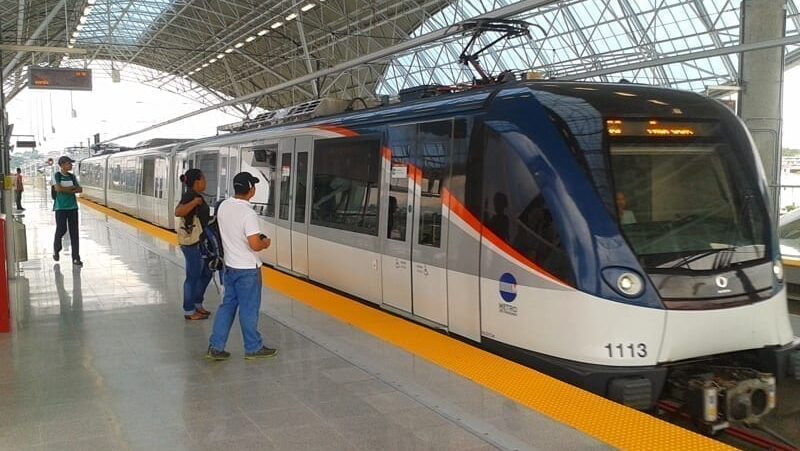
The cost of living in Panama City and expat havens like Boquete has increased in recent years. However, it still remains a bargain compared to the States.
You can find plenty of local produce, which will save you money and help you to eat more healthily.
Public transportation is cheap. Tickets for Panama City’s modern metro cost 35 cents per journey. Buses are 25 cents per trip. Traveling longer distances by bus is cheap and Panama has an extensive bus network.
Taxis are inexpensive, but be warned. Taxi drivers sometimes charge tourists extra. Also Uber is a popular alternative.
Utility bills and gasoline prices are lower than in the States. You’ll need to budget for the air conditioning, which can be expensive.
As a guide, you’ll want a budget of at least $3,000 a month in Panama City, Boquete, Bocas del Toro, or the City Beaches areas. You can, of course, spend less but most expats enjoy their creature comforts and opt for condos or custom homes over more traditional local housing.
You can live in Panama on much less if you opt for more off the beaten track areas and live more like a local. Do that and you can live here on as little as $1,000 a month.
Get a clear breakdown of everyday expenses in Panama—including housing, utilities, groceries, transportation, and healthcare—so you can budget accurately before you make the move.
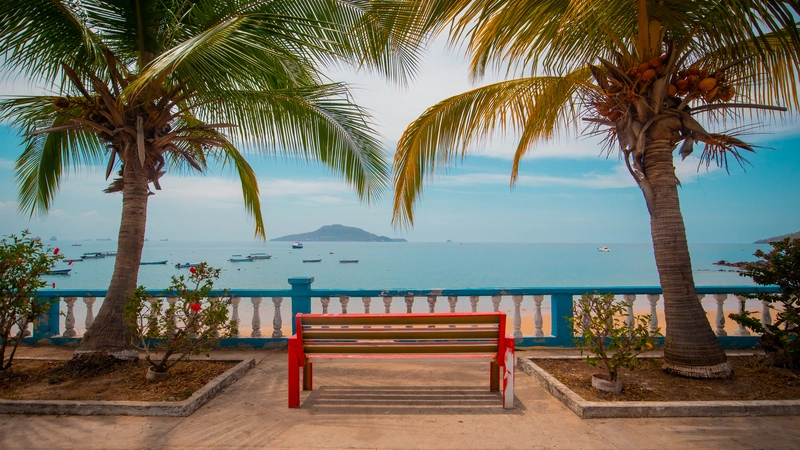
Panama has a tropical climate, and the weather is hot all year. The Panama climate is stable due to its location near the equator, with temperatures in low-lying areas reliably warm—almost every day will be above 73 degrees Fahrenheit. Because Panama is so close to the equator, the weather does not change much throughout the year. Panama has two seasons.
The dry season lasts from December to April, and the rest of the year is the rainy season, which peaks in October and November.
During this time, you can expect heavy downpours every day. In the mountain regions, the temperature is cooler, and you can live comfortably without air conditioning. The Panama climate is not affected by extreme weather, and hurricanes are almost unheard of, so Panama is generally a safe place to live.
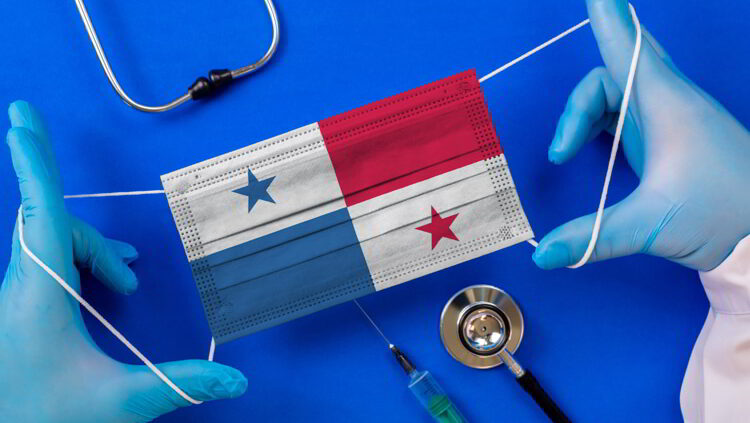
Panama offers international-standard health care, and medical tourism is a booming industry here. Panama City is home to Hospital Pacífica Salud, the only hospital in Latin America affiliated with and managed by Johns Hopkins Medicine International.
The cost of medical care here is a bargain. Like everything, medical costs are higher in Panama City than elsewhere in the country, but, even in the capital, a doctor’s visit costs $60 or less. In Panama City, clinics offer excellent, full-service care.
Many doctors in Panama are trained in the United States, speak English, and are well-versed in all prescriptions and ailments. Private health insurance and prescription drugs are readily available and much less expensive than their U.S. equivalents. American private health insurance policies are even accepted in some Panamanian hospitals.
The one drawback to health care in Panama is the lack of options in rural areas, so if you need to be close to top-tier medical facilities, here are your best options in-country…
San Francisco is Panama’s best option for living a quiet, residential, urban lifestyle. This is a rapidly growing middle-, upper-middle, and upper-class neighborhood with a mix of homes and high-rise apartments.
Panama’s two finest private hospitals are in the corregimiento of San Francisco.
Hospital Punta Pacífica is affiliated with Johns Hopkins Hospital in the States and offers outstanding care in the areas of urology, cardiology, orthopedics, physical therapy, gynecology and obstetrics, nephrology, endocrinology, and more.
Hospital Paitilla is another world-class medical institution with cardiology, plastic surgery, dermatology, endocrinology, speech therapy, gastroenterology, geriatrics, gynecology and obstetrics, and many other departments.
Both facilities also offer internal medicine, general surgery, and specialized surgery, like brain and heart operations. For any health concern you have, you’ll be in good hands at either Hospital Punta Pacífica or Hospital Paitilla. They boast cutting-edge technology and English-speaking doctors.
Hospital Punta Pacífica consistently ranks as one of Latin America’s best health care facilities.
There are many private clinics throughout San Francisco with general and specialty doctors. If you’re looking for a chiropractor, physical therapist, allergist, dentist, orthodontist, fertility specialist, mental health expert, or another practitioner, you won’t need to leave San Francisco to get the care you need.
If you need prescription medication, there are pharmacies throughout the neighborhood.
San Francisco offers health care for all ages and all medical needs.
Overall, the cost of medical care in Panama is cheap. Like everything, medical costs are higher in Panama City than elsewhere in the country, but, even in the capital, a doctor’s visit costs $60 or less. In Panama City, clinics provide value ($30 per consultation) and offer excellent, full-service care.
Panama has two health care systems—public and private. Panama guarantees health care facilities for both nationals and foreign visitors who may need them.
The public institutions are run by the Caja de Seguro Social (Social Security System) or the Ministerio de Salud (Ministry of Health). Working Panamanians receive free health care and prescription medication from hospitals and clinics within the Social Security System. Unemployed Panamanians receive health care through the Ministry of Health.
Most Panamanians with extra money and foreigners usually prefer the private hospitals.
If you can afford it, the standard of healthcare you will receive going private is excellent. Waiting times are extremely short (in many cases surgery can be scheduled within a day or two) and the facilities are superb. Prices are also far less than in the U.S. with many people reporting their treatment in Panama came in at around 10% of the U.S. cost.
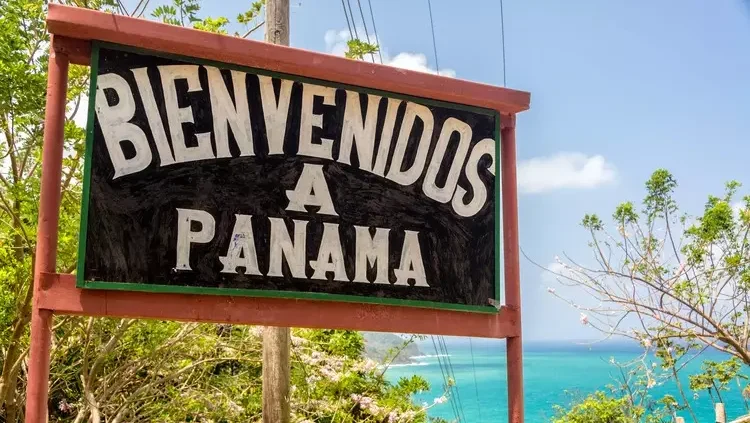
Panama offers a number of residency options…
The most straightforward is the permit that allows you to invest $300,000 and apply for residency.
The investment can be in real estate (you have to hold title in your own name) or a bank CD in any combination you like. For example, you could buy a $200,000 condo and put $100,000 in the CD.
Besides being easy, the Golden Visa grants you permanent residency with the first application. The only other residency permit that does that is the pensionado residency permit for retirees. The rest require at least one subsequent renewal before you get permanent residency.
The pensionado visa works for anyone who is receiving a pension—private or government. For Americans, that means if you’re on Social Security, you can qualify for this residency permit. The minimum pension income required is $1,000 for a single person and then $250 for each dependent, i.e. $1,250 for a married couple.
The government fees are cheaper for the pensionado visa than they are for the other options.
If you’re interested in doing business or working in Panama… nationals of 50 countries, including North Americans, as well as EU and U.K. citizens, are eligible for the Friendly Nations visa.
You must invest $200,000 in real estate in Panama; or, invest $200,000 in a fixed-term deposit in a Panamanian bank; or, secure a contract of employment.
You must also open a local bank account with a minimum deposit of $5,000 for the main applicant and $2,000 for each dependent.
You first get a temporary residency card that is valid for two years. After the two years are up, you can apply for permanent residency.
To qualify as a business investor, you must invest a minimum of $160,000 in a new or established business in Panama. A minimum of five Panamanian employees must be hired.
If you are applying with dependents, the minimum investment increases by $2,000 for each dependent. Or you can deposit that amount in a bank account in Panama.
This route also gives you a two-year temporary residence permit. And then you can apply for permanent residency.
Designed to encourage the replanting and preservation of Panama’s forests, the reforestation visa is another investment option.
You can apply with an investment of at least $100,000 in timber (plus $2,000 for each dependent) in an approved reforestation project.
Again, this route gives you two-year temporary residency; after that, you can apply for a permanent residence permit.
However, an investment of $350,000 will get you near-immediate permanent residency.
All visa applications must be made through a Panamanian lawyer…
Acquiring a second citizenship is typically a later step in any go-offshore plan.
Most people start with residency… and at a later point may seek citizenship in the country where they have residency.
Not everyone is interested in the idea of getting a second passport. Understand, though, that this can be the single most powerful option for creating options, not only for you but also for your children—as second citizenship grants a permanent right to live and work in the country, and you pass it on to your descendants.
Panama allows you to apply for naturalization after five years of permanent residency. This means you can apply five years after you’re approved for the Golden Visa permit. If you qualify for residency under one of the investment options that require renewals before getting permanent residency, it’s important to note that your timeline doesn’t start when your temporary residency is first approved—but when you receive permanent residency.
Panama does allow for dual citizenship if you’re born with Panamanian citizenship. If you’re naturalized, you’re meant to renounce all previous citizenships. For someone looking to give up their current citizenship (for example, renouncing your U.S. citizenship so that you no longer have obligations to the IRS), that’s not a problem. However, most people are looking to hold multiple passports.
Panama doesn’t specifically require proof of renunciation, so most people who get naturalized don’t bother giving up their previous citizenships… and the reality is that it probably doesn’t matter. Just be aware that if you do that, it’s possible to have your Panama naturalization revoked.
Don’t expect to have your Panama passport quickly once you apply for naturalization. It can take a year or more to be approved for naturalization. One friend of mine waited more than two years from applying to getting his passport.
Once you have a Panama passport, you’ll be able to travel to 144 countries without getting a tourist visa in advance. That’s a good number, but 65 other countries have more countries they can visit without a visa. The countries that most people would want to visit—most of the Americas and Caribbean as well as Europe—are included in the 144 countries as well as some Asian and African countries.
All in all, a Panama passport is a great travel document… once you get it.
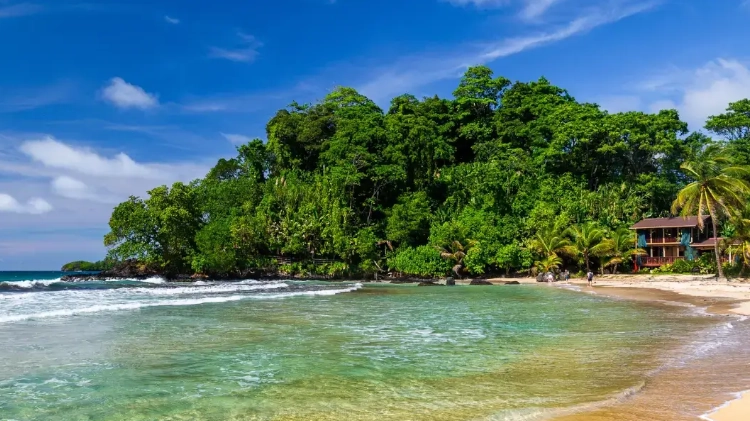
Panama City has evolved over the past 25 years into a global business hub, a boom town attracting investors, entrepreneurs, executives, and opportunity seekers from around the world.
Panama’s capital is a competitive financial services center and a banking haven. Big businesses from Dell and Procter & Gamble to Caterpillar, DHL, and Dole Food have based themselves here, invested in brick-and-mortar operations, and imported and attracted foreign workforces that total in the tens of thousands.
All this global attention and demand has translated into a steadily rising cost of living.
It has also meant continued development of city services and of the available standard of living. Panama City today deserves a place among the world’s brand-name cities for the bona fide luxury-level lifestyle it offers.
In Panama City, you can rent (or own) a Pacific Ocean-view penthouse apartment with a doorman, a concierge, a gym, a spa, and pools with poolside bar service… all the comforts of penthouse living in any brand-name city.
You can have a driver, a maid, and a chef…
You can eat out in five-star restaurants every night of the week. You can spend your days shopping for Hermès, Cartier, and Jimmy Choo and your nights hopping from club to club or engaged in high-stakes poker playoffs.
Each Friday (or Thursday… why not?), you can take off in your SUV for your beach house or hop aboard your yacht for a weekend cruise…
That kind of jet-set lifestyle is increasingly common in Panama City.
If that’s the kind of lifestyle you dream of for your retirement, then put Panama City at the top of your list, because luxury living Panama City-style is a relative bargain. That penthouse, the SUV, the staff, the nights out, the weekends at the beach, and all the paraphernalia required to support it all comes at a fraction the cost of a comparable lifestyle in, say, Miami. You could have it all for as little as $5,000 per month (though you could also spend many times that on your bright-lights-big-city Panama life).
You can live in Panama City on much less than $5,000 per month, but life in this city can become a whole lot less comfortable on a more limited budget… which is why we no longer recommend Panama City as a top retirement haven.
Top luxury lifestyle haven, yes… ideal retirement choice, not so much. You have better city options if it’s a cosmopolitan retirement you seek.
The biggest downside to Panama City living on any budget or with any agenda is the weather. It’s hot and humid year-round. Thus the need for a weekend beach house…
The nearest beach destination to Panama City has become an extension of the city itself. Every Panama City resident who can afford one has a weekend escape in what’s known as the City Beaches area.
Coronado, the best known of the points along this stretch of coastline, is not a luxury living option. Coronado is mid-market and overrun with tourists, foreign and domestic. That’s a good thing for the rental property investor… but doesn’t make for an ideal get-away-from-it-all beach escape.
Other City Beaches spots, though, offer both five-star comfort and privacy at a fraction the cost of a fully appointed coastal good life most anywhere else we can think of.
The east coast of Panama’s Azuero Peninsula has been attracting retirees for the past 20 years and remains an appealing option for a more rustic coastal lifestyle.
More shopping and services are popping up here all the time but not the great variety of top-line condo and beach house options you find along the City Beaches coast.
When Kathleen Peddicord and Lief Simon began spending time on the west coast of Panama’s Azuero Peninsula, no one else had ever heard of it… not foreign investors and not Panamanians either. On this coast, they were pioneers.
The pioneer life isn’t without challenges. Azuero’s western coast is remote and undeveloped; services can be unreliable, roads rutted.
The flip side of remote is private. For Kathleen and Lief, that was a priority agenda when we targeted this stretch of the Pacific.
Today, services are catching up… as are other foreign investors and tourists, especially fishermen and surfers. This is not only one of the most beautiful stretches of coastline in Panama but in the world, and both the fishing spots and the surf breaks just offshore are, likewise, world-class.
Wealthy locals feeling crowded at the City Beaches these days are beginning to move out to western Azuero. Those choosing to make the longer drive for their beach escapes are rewarded with more elbow room, lower prices, and, much more impressive land- and seascapes.
Say “Panama” and “retirement” in the same sentence, and most listeners hear “Boquete.”
The tiny mountain village of Boquete was targeted for development for the foreign retiree market by one gringo developer in particular named Sam Taliaferro. Sam introduced me to Boquete on the day that he closed on the piece of land he eventually developed into Valle Escondido, one of the best known private expat communities in all Central America.
In addition to his Valle Escondido development, Sam invested in restaurants, hotels, and a golf course in Boquete, all intended to attract the foreign retiree buyer.
As a result, today Boquete is home to one of the biggest communities of foreign retirees in the world. That has its advantages and its downsides.
More English is spoken on the streets and in the cafés of Boquete than Spanish, and the foreign retiree never looks far for other foreign retirees to pal around with. The retiree moving to Boquete doesn’t have to learn a new language if he doesn’t want to and has an instant support network to help with all phases of the transition.
Maybe that sounds like just the kind of place you’re hoping to find for your overseas retirement reinvention or maybe it sounds, as it does to some, like a gringolandia you’d rather avoid. Lots of foreign retirees with lots of time on their hands and not enough to fill all that time can be a formula for discontent. Idle hands and all…
Santa Fe is Boquete before Sam Taliaferro.
Santa Fe is a lovely mountain village with a small local population and limited infrastructure and services, a beautiful, tranquil, picture-postcard highlands escape.
As in Boquete, the climate is more comfortable than down at sea level. Life in Santa Fe could be simple, safe, and super-affordable. This is a place where you could live on as little as $1,000 per month if you’re up for going very local. In truth, you have no choice.
Click on any highlighted city or region to explore in-depth guides on what life is like there—from cost of living and climate to culture and real estate opportunities. Each location featured is one we’ve carefully reviewed and consider among the most livable and investment-friendly spots in Panama. Use this map of Panama as your starting point for discovering where in your ideal lifestyle awaits.
Panama is a top choice for expats around the globe, thanks to its robust infrastructure and high-quality amenities that are conveniently located near North America.
The country, barely the size of North Carolina, is an isthmus connecting two continents.
When looking at a map of Panama, you’ll see that both its southern and northern borders being coastline.
As a result, Panama boasts an impressive 2,490 kilometers of coastline.
Located in Central America, Panama is bordered by Costa Rica to the Northwest and Colombia to the Southeast.
Plus, the Pacific Ocean is to the South and the Caribbean Sea to the North. At its narrowest point, it’s only 50 miles long.
A bit of Panamenian history: Vasco Núñez de Balboa arrived in 1513 and was the first European to discover the Pacific coast of Panama.
Above all, Panama is Central America’s southernmost country, and because of a bend in the isthmus, it gives one the impression that the sun rises in the west (over the Pacific Ocean) and sets in the east (on the Atlantic).
The country is also known for the Panama Canal, a major infrastructure of world importance.
Firstly, Panama’s main international airport is near Panama City. While there are others, this is the one the majority of traffic comes through.
Secondly, Panama is located south of Hurricane Alley and is not impacted the storms and hurricanes which batter the Caribbean.
The Panama infrastructure is unevenly distributed throughout the country, with capital Panama City receiving the lion’s share and the rest of the country receiving much less.
However, government initiatives have put plans in place to improve and build new roads, metro rails, and other bits of infrastructure in the coming years.
Reviewed By Kathleen Peddicord
Kathleen is the Live and Invest Overseas Founding Publisher. She has more than 30 years of hands-on experience traveling, living, and buying property around the world.
Start Your New Overseas Life Today
A world full of fun, adventure, and profit awaits! Sign up for our free daily e-letter, Overseas Opportunity Letter, and we’ll send you a FREE report on the 12 Best Places To Retire Overseas In 2026
We Value Your Privacy! We will not share your email address with anyone else, period.
Panama ranks as one of the safest nations in Central America, making it a popular choice for expats and international enterprises.
Overall, food in Panama is more affordable than in US or Canada. A single person living at the beach, cand spend a little over US$96 at the grocery store.
To save on your monthly groceries, choose mostly local products and be selective when it comes to buy imported items.
Panama offers a three-tiered health care system with various options. Expats can use MINSA facilities for good health care, but private hospitals in Panama are highly rated and provide service comparable to that in the U.S. or Europe.
Panama’s Coronado is a coastal town situated on the Pacific Ocean. Just an hour’s drive from Panama City, it attracts both expatriates and locals. And, the expat community in Coronado is vibrant and expanding, with English widely spoken throughout the area.
Panama City, Panama, has evolved over the past 25 years into a global business hub, a boom town attracting investors, entrepreneurs, executives, and opportunity seekers from around the world.
Panama’s capital is a competitive financial services center and a banking haven.
The best time to travel to Panama is in the dry season, from late December to April.
Also, from May to the end of the year, you can expect almost daily rain and increased humidity.
During the dry season, Panama experiences wind and partial clouds, which help ease the warmer temperatures.
In Panama, mortgages for real estate are accessible to both residents and foreigners. These loans are based on the applicant’s repayment capacity rather than their credit history, which is typical in North America. purchases.
Monday, at 8 a.m., 10 little girls assembled at Las Cruces. Our Maria Fernanda was standing by to collect them…...
The other day a friend asked, “Is that ‘White Christmas’?” The song was in Spanish, but the tune was easily...
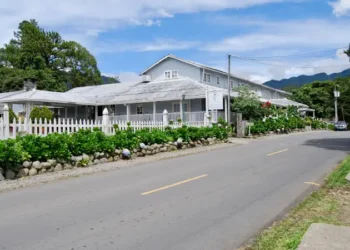
Boquete is a small mountain town located at 1,131 meters (3,710 feet) above sea level. It’s surrounded by lush tropical...
Lief and I have returned to Los Islotes for an extended stay at what those in the tourist biz in...

We Value Your Privacy! We will not share your email address with anyone else, period.
As seen in

Top Countries
Budgets
Affordable
Resources
Real Estate
Overseas Property Alert
How To Become Independently Wealthy And Fund The Lifestyle Of Your Dreams
Buying Real Estate For Cashflow
Discover tips and strategies used by global property investing veterans
Explore Our Latest Posts
Learn how to invest and purchase property abroad…
Conferences
Live And Invest In Greece Workshop
Live And Invest In Portugal Conference
Live and Invest In Belize Conference
Contact Our Events Team:
Toll-Free U.S. and Canada:
1 (888) 627 8834
From Outside North America:
1 (443) 599 1221
Working Hours
Monday – Friday 08:00 am – 17:00 pm EST.
Reach us with your questions by email at: events@liveandinvestoverseas.com
Store
Overseas Havens Reports
Conference Kits
Lahardan Books
Services
Free Report
FREE Report
The 12 Best Places to Retire Overseas in 2026
Simply sign up for our FREE daily Overseas Opportunity Letter, and we’ll immediately email you our editors’ latest research report… absolutely FREE
We Value Your Privacy! We will not share your email address with anyone else, period.
Follow Us:
© 2008 - Live and Invest Overseas - All Rights Reserved.
RETIRE OVERSEAS AND
LIVE LIKE ROYALTY
Sign up for FREE and learn how to live the good life on a modest budget, find bargain property, and more. Plus, check out our FREE report on the 12 BEST PLACES TO RETIRE.