What Daily Life in Panama Is Like
Living in Panama means adjusting to a relaxed, tropical lifestyle where people take their time, personal interactions matter, and schedules are more flexible than in the United States. Shops and businesses open reliably, but service can move slowly compared to U.S. standards. Still, the friendliness and warmth of Panamanians make daily errands pleasant and low stress.
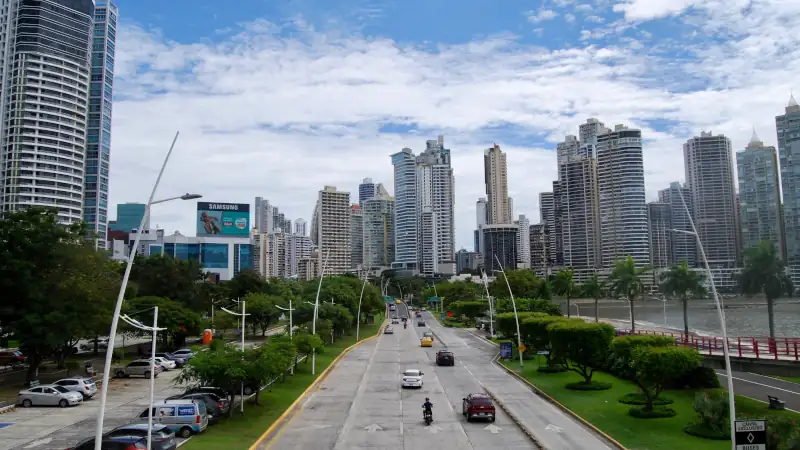
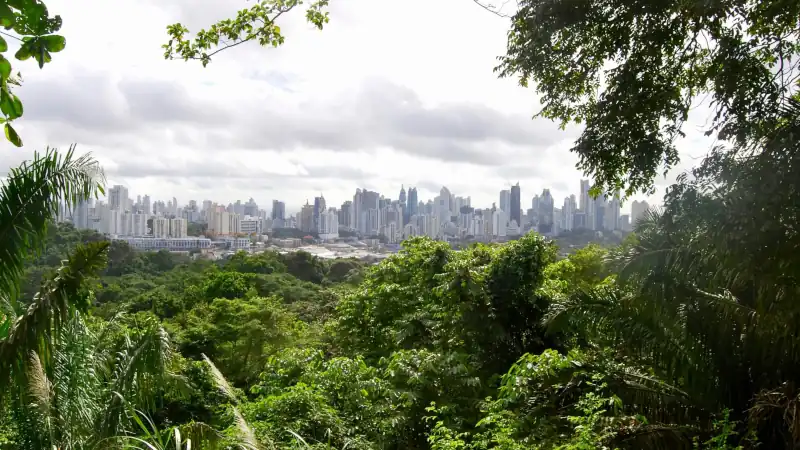
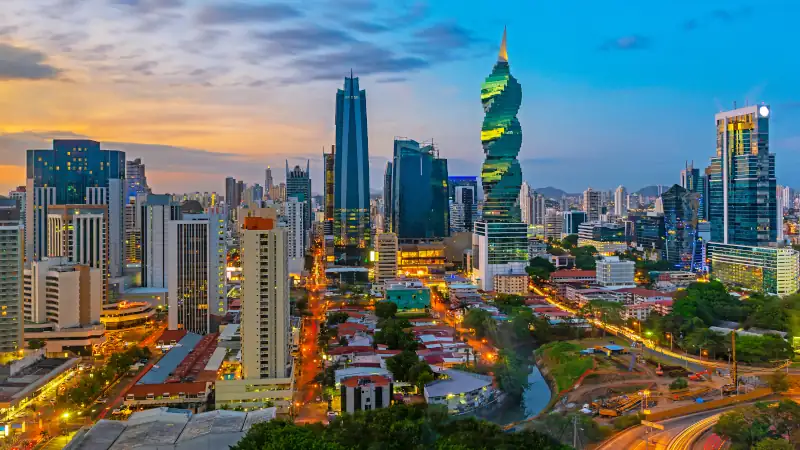
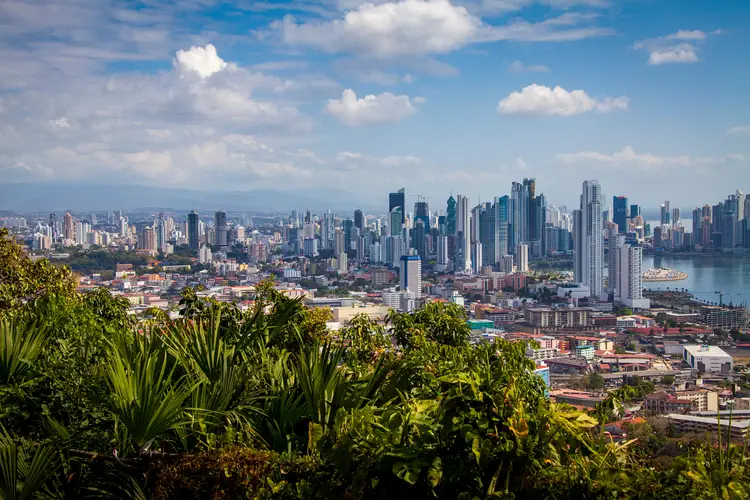
Most expats describe life here as comfortable and uncomplicated. You can do your grocery shopping at modern supermarkets, enjoy international dining options, and rely on fast internet across major towns and cities. Urban areas like Panama City offer a cosmopolitan lifestyle, while mountain and beach regions provide quiet, scenic living.
Pros and Cons of Living in Panama
Pros
- Warm, tropical climate year-round.
- U.S. dollar economy makes daily transactions simple.
- Friendly, welcoming local culture.
- Strong expat communities across the country.
- Access to modern conveniences, restaurants, and services.
- Excellent mountain and beach lifestyle options.
Cons
- Coastal humidity can take time to adjust to.
- Service and bureaucracy move more slowly than in the U.S.
- Traffic in Panama City can be heavy during peak hours.
- Not all U.S. products are available in every region.
- Heavy rains during the wet season can affect transportation.
Who Panama Is Not For
Panama offers a wonderful lifestyle, but it isn’t for everyone. You may struggle here if:
- You prefer cool weather year-round and dislike humidity.
- Punctuality and strict schedules are essential to you.
- You find cultural differences frustrating rather than interesting.
- You prefer highly structured systems and fast, predictable service.
- You do not enjoy a slower, more relaxed pace of daily life.
Practical Tips for Daily Life in Panama
Humidity Management
Humidity is part of life in most of Panama. Dehumidifiers, good ventilation, and regular AC use help prevent mold and keep indoor spaces comfortable.
Dress Code
Panamanians tend to dress neatly—more so than many foreigners expect. Beachwear is for the beach. In the city, casual but tidy clothing is appreciated, especially in banks, offices, and restaurants.
Noise Culture
Panama is lively. Music, fireworks, and celebrations are common, especially on weekends and during holidays. Even residential areas can be energetic. If you need quiet, choose the interior, or mountain towns outside Panama City.
Tipping & Service
Service can be slow by North American standards. A 10% tip is customary in restaurants (and is sometimes already included in the bill). Patience and good humor go a long way.
Greetings Matter
Saying “Buenas” when entering shops, elevators, or shared spaces is a small gesture that genuinely improves interactions. Courtesy is highly valued.
Utilities & Internet
Power fluctuations happen, especially outside Panama City. Surge protectors are common. Internet quality varies by neighborhood—another reason to test an area before signing a long-term lease.
Water outages are not uncommon in Panama. Apartment buildings normally have backup water The water companies will sometimes warn you before the water goes, but other times it will be unexpected.
If you live in the countryside these faults can take longer to fix and a backup supply is recommended.
How Public Holidays Are Celebrated in Panama
Panama observes cultural, religious, and historical holidays that shape local rhythms. Many involve parades, family gatherings, or beach trips. Here is an overview:
Safety In Panama
Panama is generally safe, especially in neighborhoods popular with expats. Petty theft can occur in crowded areas, so basic precautions—similar to any major city—are recommended.
Expats typically feel secure in areas such as Punta Pacifica, San Francisco, Marbella, Obarrio, Boquete, and Coronado. Areas typically avoided include El Chorrillo, Curundú, and parts of San Miguelito. Like any urban center, Panama City has zones with varying safety levels, and local advice is helpful when exploring.
For official travel safety updates, American citizens should enroll in the U.S. Embassy STEP program.
Neighborhood Personalities Across Panama
El Cangrejo – A walkable, tree-lined neighborhood filled with cafés, parks, and a diverse mix of young professionals, families, and long-time expats. It has a relaxed, urban vibe without feeling chaotic.
Read our full guide to El Cangrejo
San Francisco – A modern district known for high-rise towers, ocean views, and quick access to private healthcare and shopping malls. Popular with expats who want convenience, amenities, and security.
Read our full guide to San Francisco
Hato Pintado – A central residential area offering a quieter atmosphere than Punta Pacifica but still close to the action. Known for tree-lined streets, small shops, and a more laid-back, middle-class local feel.
Read our full guide to Hato Pintado
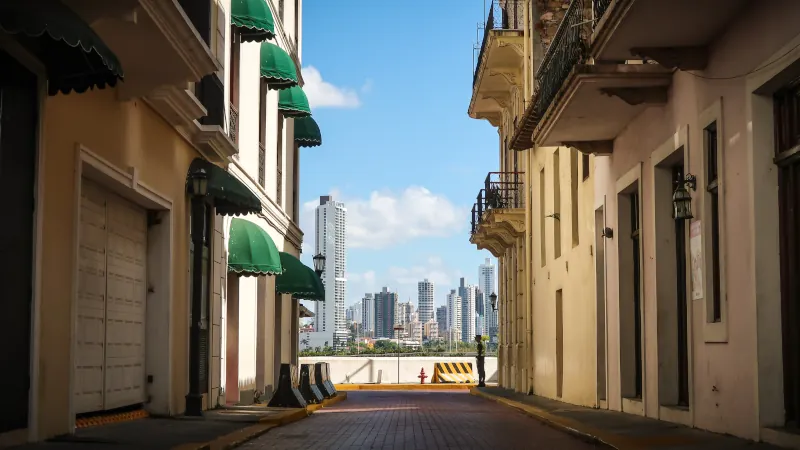
Casco Viejo – The historic old quarter with restored colonial buildings, boutique hotels, rooftop bars, and cultural spaces. Charming and artistic, but nightlife and tourism make it lively—and sometimes loud.
Read our full guide to Casco Viejo
Interior of Panama
Boquete – A cool-weather mountain town famous for its spring-like climate, coffee farms, and large retiree community. Ideal for nature lovers, hikers, and those wanting a peaceful lifestyle with expat amenities.
Read our full guide to Boquete
Coronado – The central beach hub for weekenders and full-time expats. Known for supermarkets, clinics, dining options, and gated communities, it offers a “suburban by the beach” lifestyle.
Read our full guide to Coronado
Pedasí – A quiet surf-and-fishing town on the Azuero Peninsula. Friendly locals, strong community feel, and a slower pace of life. Ideal for those who want authenticity over convenience.
Read our full guide to Pedasí
David – A warm-weather city near Boquete with good shopping, hospitals, and affordability. Popular with expats who want access to services but prefer a less touristy environment.
Read our full guide to David
Conclusion: Living In Panama 2026
Panama offers an appealing lifestyle for retirees, remote workers, and expats seeking warmth, comfort, and a sense of community. It blends modern conveniences with tropical charm, making daily life both simple and enjoyable. Whether you prefer a cosmopolitan city or a peaceful mountain town, Panama provides options for every lifestyle.
Living in Panama - FAQ's
Why Is Panama Popular With Expats?
Panama attracts many expats because it provides good infrastructure and first-rate services close to North America.
Is Panama a Nice Place to Live?
Panama is one of our top choices for both living and retirement, the cost of living is reasonable, with affordable rent in popular neighborhoods. The lifestyle is laid-back, with a strong sense of community among both locals and expats. Panama offers good healthcare options, including alternative medicine, and the country is well-connected with easy access to the U.S. However, there are some challenges, such as occasional issues with customer service and the need for adjustment to a different pace of life.
How Much Money Do You Need to Live In Panama?
Panama offers a luxury lifestyle at a relatively low cost compared to North America. Rent in Panama City ranges from about $800 for a nice apartment to $2,100 for a place with a stunning view. Groceries can be inexpensive, especially at local markets, and dining out is affordable, with good meals costing around $35. Utilities like water and gas are cheap, though electricity can be pricey depending on usage. Panama Healthcare is affordable yet high-quality, and other services like house cleaning and gardening are reasonably priced. Learn more about panama’s cost of living here.
Can I Live in Panama as a US Citizen?
Yes, you can live in Panama as a U.S. citizen. U.S. citizens can enter Panama without a visa and stay for up to 180 days as tourists. For longer stays, Panama offers residency options, including the Specific Countries visa for citizens of 50 countries, including the U.S., and the Pensionado visa for retirees with a lifetime pension of at least $1,000 per month. These programs make it relatively easy for U.S. citizens to establish residency in Panama, allowing them to enjoy the country’s affordable lifestyle and expat-friendly environment. read more about Panama’s Residency here.
Explore More
For deeper guides on specific topics, explore: